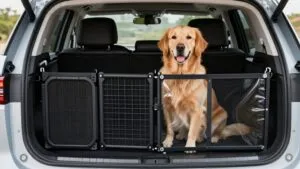
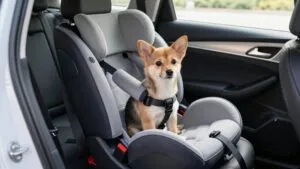
Types of Dog Car Seat Covers: Hammock, Bench, Bucket and Cargo Styles
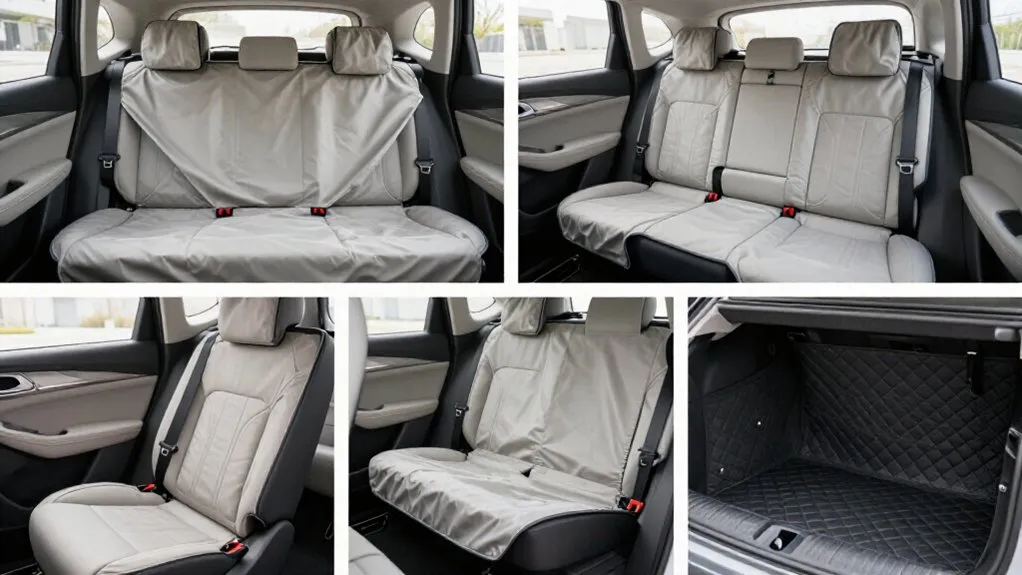
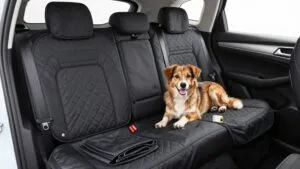
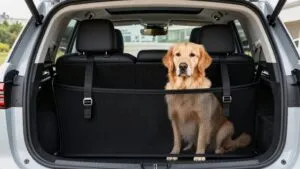
You’ll choose a hammock cover to protect rear seats and block footwell access, a flat bench cover for open passenger or senior-dog entry, bucket covers for individual captain’s chairs, and a cargo liner for fold-flat areas and bumper protection.
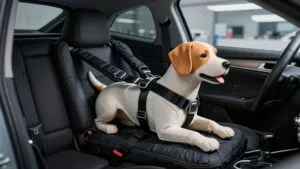
Measure headrest spacing, bolsters, splits, and anchor locations first. Choose waterproof, nonslip materials, keep belts, LATCH points, and airbags clear, and use a crash-tested restraint.
The sections ahead explain fit, cleaning, cushioning, and secure installation choices.
Rear-Seat Coverage Drives Choices
Rear-seat coverage should guide your choice because it protects upholstery, contains mud and hair, and helps keep your dog from slipping or climbing into the footwell. Match coverage to your vehicle and travel routine. A full rear liner protects the cushion, seatbacks, and front-seat backs, while a flat bench cover leaves surfaces exposed but suits trips requiring passenger access.
Choose cargo coverage for fold-flat SUVs or trucks, and use single-seat inserts only when protection fits your needs. Check measurements around bolsters, vents, and split-folding sections so the cover won’t bunch or leave leather exposed. Prioritize waterproof membranes, sealed seams, non-slip backing, and easy-clean panels for outings. Confirm seatbelt buckles, LATCH anchors, and airbag areas stay clear. Use a crash-tested harness; a cover isn’t restraint.
Split-Zipper Hammocks Lead
Split-zipper hammocks lead for versatile rear-seat protection because they let you open sections for a passenger, center armrest, or seat-belt access without removing the cover. Choose a quilted waterproof model with non-slip backing, reinforced seams, headrest straps, and seat anchors. It creates a barrier that helps keep your dog out of the footwell, but it doesn’t replace a crash-tested harness. Before driving, route the tether through a dedicated pass-through, confirm buckles latch, and keep LATCH anchors clear. Close unused zippers to limit gaps and stop claws from catching.
| Check | Why it matters |
|---|---|
| Pass-throughs | Preserve buckle and harness access |
| Straps and anchors | Stabilize cover during turns and travel |
Check that side flaps don’t hide a door release or interfere with your vehicle’s rear side airbags.
Cargo Liners Add Bumper Flaps
Cargo liners with bumper flaps extend protection over your rear bumper, helping prevent claw scratches during loading and unloading. You can fold the flap out for easy dog access, then secure it with straps, hook-and-loop tabs, or cargo anchors before driving. Choose a liner with a non-slip, waterproof surface and firmly attached flap so it won’t shift under paws or obstruct the liftgate.
Bumper Flap Protection
Many SUV and cargo-area liners add a bumper flap that folds over the rear threshold, shielding painted trim from claws, muddy paws, and scuffs while your dog enters or exits. Choose a liner with a flap long enough to cover the loading edge without dragging on the ground. Before loading, unfold it fully and smooth it flat so your dog has a cleaner, more stable step from ground to cargo space.
When parked, keep the flap clear of traffic and close the liftgate only after folding it inside. Look for reinforced binding, waterproof fabric, and secure attachment straps; loose material can shift under paws or catch in the hatch. Clean it after wet outings, inspect seams regularly, and replace it if straps or hardware fail.
Preventing Scratch Damage
To prevent claw marks and scuffs during loading, choose a cargo liner with an integrated bumper flap that extends over the rear threshold. Heavy-duty ripstop Oxford or TPU-coated fabric resists punctures better than thin quilted material, while reinforced binding protects the flap’s edges from repeated abrasion. Select a liner with secure tie-down straps or hook-and-loop tabs so the flap stays aligned rather than dragging or shifting against painted surfaces.
Check that its nonslip backing and cargo anchors keep the main liner stable when your dog moves. After a trip, brush off grit and rinse mud promptly; trapped sand can act like sandpaper. Inspect seams, attachment points, and the waterproof coating. Replace a torn flap before exposed hardware or frayed fabric can contact your vehicle’s finish.
Easy Loading Access
When your dog enters through the rear hatch, a cargo liner with a fold-down bumper flap creates a cleaner, safer loading path. It shields the painted bumper from muddy paws, claw marks, and slipping as your dog jumps in or out. Choose a flap with a grippy, waterproof surface and reinforced stitching, so it stays flat and resists tears.
Secure the liner to cargo tie-downs or rear headrests before travel; loose material can bunch beneath paws and create a trip hazard. After loading, fold the flap inward and fasten it securely. Check that it doesn’t interfere with hatch closure, lights, or your dog’s leash. This simple feature helps older, short-legged, or hesitant dogs step aboard with more confidence while protecting the vehicle’s loading edge.
Extended Cargo Coverage
Extended cargo coverage protects more than the cargo floor: a liner with a bumper flap shields the rear threshold from muddy paws, scratches, and scuffs during loading. That extra panel gives your dog a landing zone before it steps into the vehicle, while keeping debris off painted surfaces. Choose a waterproof, tear-resistant liner with seams and a nonslip face if you carry a dog, crate, or equipment.
Measure the cargo opening and bumper depth so the flap covers the edge without bunching. After trips or hikes, shake off grit and wipe or hose down the panel according to care instructions. Keep the cargo area clear of tools and use a secured crate or crash-tested harness; the liner protects surfaces, not your dog in a collision.
Secure Flap Attachment
A bumper flap protects the painted loading edge only if it stays put, so choose a cargo liner with secure attachment points such as hook-and-loop tabs, adjustable straps, or cargo tie-down anchors. Before buying, inspect your vehicle’s cargo trim and anchor layout; the liner’s hardware must match available mounting locations without covering latch points or interfering with hatch operation. Secure upper straps around cargo-area headrests or factory anchors, then tension them so the flap lies flat when deployed. Favor reinforced stitching, covered buckles, and wide tabs that resist peeling under a dog’s weight.
Avoid loose cords or clips that could snag paws or shift near the hatch. Test flap with hatch fully open and closed; confirm it doesn’t obstruct lights or plate in use.
Cleaning Muddy Paws
After a wet walk or trail run, a waterproof cargo liner with a bumper flap lets you load a muddy dog without grinding dirt into the cargo floor or scratching the painted loading edge.
Before your dog climbs in, wipe paws with a microfiber towel or rinse it. Then fold the flap back inside, shake loose grit off, and secure it so it can’t drag near the wheels or obstruct the liftgate latch. Choose a liner with waterproof TPU or PVC, reinforced seams, nonslip backing, and tie-down or headrest attachments.
Remove debris promptly; hose down liners, use mild soap, and air-dry them to protect the membrane. Don’t rely on a liner as a restraint: secure your dog in a crash-tested harness or anchored crate.
Best for Senior Dogs
For a senior dog, choose a cover that supports low-entry access and reduces the need to climb or jump. You’ll want supportive cushioning and a stable non-slip backing to help protect sore joints during rides. Waterproof, easy-clean materials also let you manage accidents without compromising traction or comfort.
Low-Entry Seat Access
Senior dogs often do best with a flat bench seat cover because it preserves a low, open step-in path instead of creating the raised front barrier of a hammock.
Guide your dog onto the seat without asking it to climb over a suspended panel or squeeze through an opening. Choose a cover with headrest straps, seat anchors, and a non-slip underside so it stays flat during entry. Check that its edges don’t bunch near the door sill, where paws can catch.
Keep seat-belt pass-throughs and buckles accessible, then secure your dog with a fitted travel harness. Before each trip, tighten straps and confirm the cover doesn’t interfere with belt routing or LATCH anchors. For loading, park on level ground and use the same door-side approach.
Supportive Cushioning Options
Choose a padded, non-slip seat cover or liner that cushions stiff joints while keeping your dog stable during turns and braking. For a senior dog, prioritize quilted layers with dense foam or plush batting over thin, decorative padding. A bench cover often provides the most level resting surface, while a cargo liner gives larger dogs room to stretch without climbing onto a contoured seat. Look for padding that remains supportive under your dog’s weight and a waterproof TPU or PVC barrier that prevents moisture from reaching the upholstery.
Check that the cover has seatbelt pass-throughs, so you can attach a crash-tested harness without compressing or misrouting the belt. Wash removable panels and air-dry them to protect the cushioning and waterproof layer. Replace flattened padding.
Stable Non-Slip Designs
Stable footing matters as much as cushioning for a senior dog, especially during turns, stops, and entry into the vehicle. Choose a cover with a rubberized, non-slip backing that grips the upholstery rather than sliding across it. Look for adjustable headrest straps, seat anchors, and lower straps that keep the cover taut; loose fabric can bunch under arthritic paws and create a tripping hazard.
For a hammock, confirm the front and rear straps hold the platform level and that its anchors prevent sagging toward the footwell. A flat bench cover may suit dogs who need an easy, floor-like path to lie down. In cargo areas, select a liner with grippy backing and tie-down attachments. Before each trip, test it and keep harness pass-throughs clear.
Easy-Clean Waterproof Materials
Waterproof, easy-clean fabrics help you manage muddy paws, accidents, and shedding without leaving a senior dog on a damp or slippery surface. Choose a cover with a TPU or PVC membrane beneath durable polyester or nylon, plus sealed seams that stop leaks from reaching upholstery. Quilted padding adds insulation and cushioning for stiff joints, while a rubberized nonslip backing helps prevent sliding during turns and stops.
For routine cleanup, wipe the surface with a damp cloth; hose down heavy-duty cargo liners when needed. Air-dry covers fully to protect the waterproof coating and prevent trapped moisture. Before buying, check that belt pass-throughs and harness tether access remain clear. Avoid covers that bunch beneath your dog or block buckles; use a crash-tested harness or secured crate.
Measure Headrest Spacing First
Before you buy a hammock or bench-style dog seat cover, measure the distance between your vehicle’s front and rear headrests and confirm that both rows have usable headrest posts. Hammock straps need enough span to stay taut without pulling headrests forward or twisting around fixed mounts. Check the cover’s stated strap range, not only its fabric dimensions. Measure center-to-center spacing and note headrest shape, post height, and whether a headrest is removable or integrated.
If your rear headrests don’t adjust or sit too low, choose a flat bench cover with lower-seat anchors, or select a vehicle-compatible design. Never loop straps around seatbelt guides or child-seat tether points. After installation, tug each strap, check buckle access, and make sure the cover doesn’t interfere with restraints or airbags.
Waterproof Coatings Need Air-Drying
Although many dog car seat covers are machine-washable, air-dry them after cleaning to protect the PVC or TPU waterproof membrane and non-slip backing. High dryer heat can warp, crack, or separate waterproof layers, allowing muddy paws, spills, and wet fur to reach your upholstery. It can also weaken seam tape, padding, elastic, and plastic buckles that help the cover fit securely.
Before washing, shake out hair and debris, close zippers, fasten straps, and follow the label’s temperature and detergent instructions. Use a gentle cycle with cold or lukewarm water and mild detergent; skip bleach and fabric softener, which can damage coatings. Hang the cover over a rack or line in a ventilated area, away from sun and heaters. Reinstall it only when completely dry.
Nonslip Backings Lose Grip
Over time, a cover’s rubberized or silicone nonslip backing can harden, peel, or lose traction, especially after heat exposure, frequent washing, and contact with dirt or pet hair.
When grip weakens, the cover can slide beneath your dog during braking or turns, bunch under paws, and leave upholstery exposed. Check it before trips: press the backing against a clean, dry seat and tug each corner. Also inspect seat anchors, straps, and headrest connections, because they should stabilize the cover even when the backing wears.
Replace the cover if it shifts after adjustment, shows widespread peeling, or no longer stays flat. Don’t rely on nonslip material as a restraint; use compatible belt pass-throughs and a properly secured dog harness or crate on every single drive.
Bucket Covers Fit Captain’s Chairs
Bucket covers fit captain’s chairs because their contoured shape, elastic edges, and headrest straps secure protection around each individual seat rather than stretching across an entire bench. Choose one when you need to shield a front passenger seat or separate second-row chairs without covering belts for other riders. Look for non-slip backing, reinforced seams, and seatbelt pass-throughs that let you connect a fitted harness without pinching its webbing.
- A quilted panel hugs the curved cushion like a tailored jacket.
- Elastic edging stays tucked beneath the seat, limiting bunching under restless paws.
- Raised side sections catch muddy droplets and loose fur before they reach upholstery.
Confirm the cover doesn’t block buckle access, LATCH points, or airbag zones. You’ll still need a crash-tested restraint for every drive.
Conclusion
You’ll protect your vehicle and help your dog travel more safely when you match the cover to your seating layout and routine. Choose a split-zipper hammock for flexible rear-seat access, a bench or bucket cover for passenger seating, and a cargo liner with a bumper flap for loading. Measure headrest spacing before buying, especially with captain’s chairs. Air-dry waterproof fabrics, inspect nonslip backing regularly, and prioritize easy entry for senior dogs whenever your dog rides.
Dog Car Seat Weight and Size Fit Checker
Compares your dog’s weight with limits stated in 32 dog car seat listings and identifies limits or dimensions that are not stated.
Back Seat Platform Size Calculator for Dogs
Enter your back seat, footwell and dog measurements to see if your dog fits on the seat alone or needs the footwell gap bridged.
Car Crate Fit Calculator
Size a large dog carrier for your car: IATA-based crate size for your dog, checked against your cargo area and hatch opening.