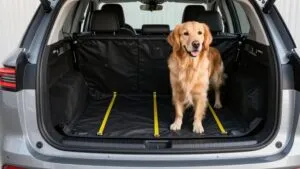
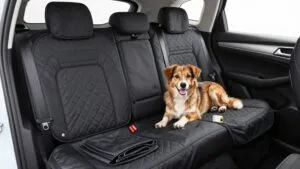
Cargo Liner vs Cargo Mat for Dogs: Which Handles Mud and Hair Better?
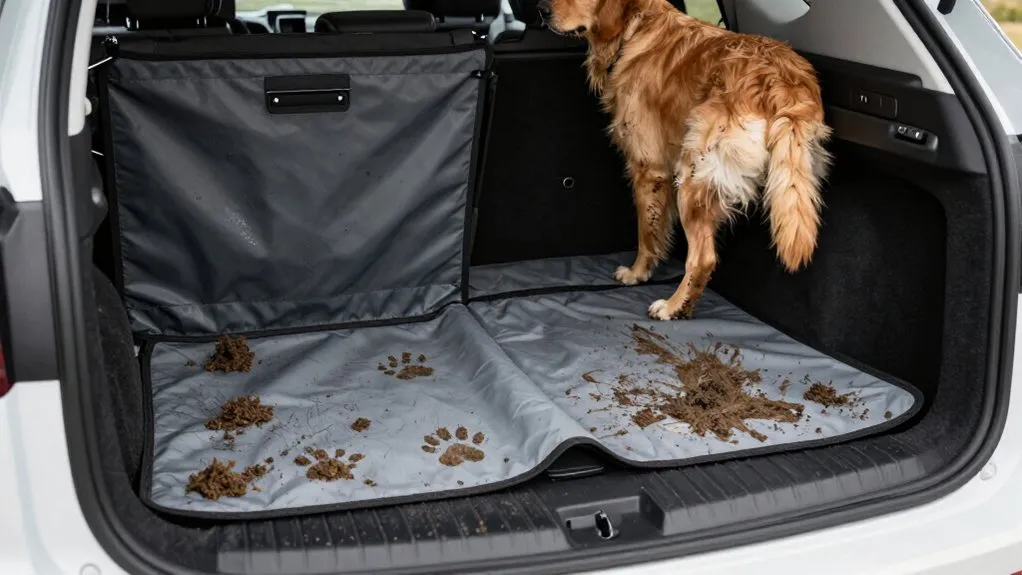
For dogs that track mud and shed heavily, you’ll get better protection from a full-coverage cargo liner than a floor-only mat.
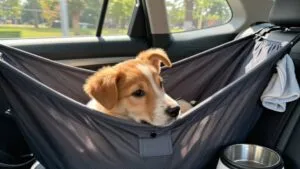
The liner’s raised sides, seatback panels, anchors, and waterproof surface contain runoff, hair, and sand before they reach carpet seams or wheel wells.
Choose a mat when you need quick, one-handed removal for calm dogs, crates, or groceries.
Match the liner’s fit, anchors, and fold-flat panels to your vehicle, as the comparisons below show.
Coverage: Seatbacks vs Floor
A cargo mat protects the flat cargo floor, making it suitable for light messes from groceries, luggage, or a crated dog. You’ll get straightforward floor coverage, easy removal, and minimal interference when you fold seats. However, it leaves seatbacks and side panels exposed when your dog stands, leans, jumps, or sheds during turns.
| Feature | Cargo mat | Full-coverage liner |
|---|---|---|
| Coverage | Floor only | Floor, sides, seatbacks |
| Mud and hair | Contains floor debris | Blocks vertical-surface debris |
| Best use | Crated, calm dogs | Active, uncrated dogs |
Choose a mat for occasional, contained trips and lower initial cost. Choose a custom or semi-custom liner when you need protection across cargo contours. Its added material takes longer to install, but it protects upholstery after outings and reduces fur redistribution during braking.
Raised Edges and Anchor Points
Raised edges and secure anchor points separate a basic cargo mat from a dog-ready liner. A molded or stitched perimeter lip creates a shallow containment tray, keeping loose mud and shed hair from rolling past the cargo floor’s seams when your dog shifts or you brake. Floor-only mats usually sit flush, so debris can escape around their edges.
Anchored liners attach to headrests, seat tethers, cargo hooks, or factory tie-downs, holding side panels and seatback sections in position. You get less bunching, sliding, and exposed upholstery than with a loose, weight-held mat. Check that straps don’t block latch operation or access to tie-downs and the spare-tire compartment. Choose adjustable anchors and reinforced attachment tabs; they let you tension the liner to your cargo area’s contours securely.
Wet-Dog Odor Retention
Wet-dog odor develops when moisture, shed hair, and organic residue remain trapped in the cargo area, so material choice matters as much as coverage. A waterproof TPE, PVC, or coated-Oxford cargo liner keeps moisture above the vehicle carpet and prevents fur from lodging in absorbent fibers. Its wraparound coverage also limits damp residue on seatbacks and side panels, where smells can persist unnoticed. You can wipe or rinse the smooth surface.
A rubber cargo mat resists water, but a carpet-backed or textured mat can retain hair, moisture, and skin oils in its backing and grooves. Because it protects only the floor, exposed upholstery may absorb odors. If your dog rides wet after hikes or swims, choose a nonporous liner and clean it promptly.
One-Handed Installation Speed
When you need to load your dog quickly, a cargo mat installs faster: you simply lay it flat, while a cargo liner may require straps, anchors, or seatback tethers to secure its wraparound panels. That matters when you’re holding a leash, keys, or a squirming dog’s harness. A mat lets you cover the floor in seconds and remove it just as easily.
However, it can shift if its backing lacks grip. A liner takes longer because you must locate attachment points, fasten straps, and smooth side panels. Once secured, it resists movement better during turns and keeps debris from reaching protected surfaces. Choose a mat for frequent short trips; a liner suits messier outings where setup time buys stability and broader coverage in return.
Fold-Flat Seat Configuration Fit
Although both options can work with folded rear seats, a cargo liner must match your vehicle’s seatback geometry to maintain continuous coverage from the cargo floor to the expanded load surface. Choose a model-specific liner with articulated panels, hinges, or adjustable straps so it stays aligned when you lower the seats. A loose universal liner can bridge the hinge poorly, bunch at the seat joint, and expose upholstery when your dog moves forward.
A cargo mat usually works best only after the seats are fully folded and the resulting surface is level. It installs faster, but it rarely covers vertical seatbacks or hinge gaps. Check whether anchors, seatbelts, and split-seat sections remain usable. For frequent fold-flat use, choose a liner designed for that configuration.
Replacement Cost After Punctures
A puncture changes the cost equation: a heavy-duty cargo liner made from 600D Oxford, PVC, or TPE usually withstands claws better and may only need cleaning or a small repair, while a thin rubber or carpet-backed mat can tear, retain moisture, and require full replacement.
When you compare ownership costs, assess material thickness and damage spread. A liner’s waterproof face and reinforced seams can limit a claw hole to one serviceable area; a patch kit or adhesive repair may restore function. With a mat, a split often exposes underlying carpet, and water can wick through backing, creating odor or stain-removal expense. Mats cost less initially, but repeated replacement can erase that saving for an active dog. Check warranty, repair options, and replacement availability.
Pet Restraint Compatibility
Pet restraint compatibility depends on whether the cargo liner preserves access to factory tie-downs, seatback anchors, and belt-routing points. Choose a liner with reinforced, clearly positioned slots so you can attach a travel harness or crate securely without pinching webbing. A model-specific liner is preferable because its cutouts align with your vehicle’s anchor geometry and don’t force straps across raised edges.
A basic cargo mat usually leaves anchors exposed and installs faster. However, it can slide beneath a tethered dog unless you secure its corners. Avoid routing restraints through liner seams, loose flaps, or zipper openings; they can concentrate load and compromise fit. Before driving, test buckle engagement, tether length, and seatback locking with your dog aboard. Use only vehicle-rated anchor points for restraint.
Vacuuming Embedded Dog Hair
A smooth cargo liner releases dog hair quickly to a vacuum nozzle, while textured or carpet-backed mats hold fibers more tightly. You’ll also vacuum fewer vehicle surfaces when a liner covers sidewalls and seatbacks. Check edge fit carefully, since gaps around a mat can collect hair in seams and crevices.
Hair Release by Surface
Smooth, waterproof cargo-liner surfaces release dog hair quickly because hair can’t work into carpet fibers or deep texture. With a liner, you can lift loose fur using a vacuum’s standard suction, a rubber brush, or a damp microfiber cloth. Rubber and carpet-backed mats create more mechanical grip: shedding hair catches around raised nubs, fibers, and molded grain, so you need repeated passes and agitation.
- Choose smooth PVC, TPE, or coated Oxford when your dog sheds heavily.
- Expect carpeted mats to retain fine undercoat after drying.
- Wipe liner surfaces first; vacuum mats after loosening trapped hair.
That difference determines how fast you restore a clean cargo area.
Vacuum Access and Edges
Vacuum access depends on whether the protection follows the cargo bay’s edges or leaves exposed seams. A fitted liner wraps the floor, wheel wells, side panels, and often seatbacks, so you vacuum one removable surface rather than chase hair from carpet joints. Its smooth material lets a crevice tool reach folds, anchor cutouts, and bumper-flap edges before hair works underneath.
A floor-only mat is quicker to lift, but it leaves the perimeter exposed. Your dog’s coat can collect in the narrow gap between mat and trim, around wheel wells, and at the seatback hinge. Those areas demand a crevice nozzle, brush agitation, and repeated passes, especially when damp hair binds to carpet. For heavy shedding, choose a liner with secure edge coverage; periodically vacuum beneath it.
Best for Beach Trips
For beach trips, you’ll get better sand and saltwater resistance from a waterproof cargo liner than a floor-only mat. Its raised sides and seatback coverage contain wet dogs, towels, and gear instead of letting moisture reach carpet edges. Afterward, you can remove and hose off a liner, while sand often remains trapped around a mat’s exposed seams.
Sand And Saltwater Resistance
Beach trips favor a waterproof cargo liner because it contains wet sand and saltwater beyond the cargo floor. Its raised sidewalls and seatback coverage block abrasive grains from reaching carpet seams and trim, while a flat cargo mat leaves those areas exposed.
- Choose PVC- or TPE-coated liner fabric with sealed seams; it resists salt exposure and wipes clean without absorbing moisture.
- Check for a fitted perimeter and textured non-slip surface; these limit sand migration and keep your dog stable.
- Skip carpet-backed mats for frequent shore runs: grains lodge in fibers, and retained salt can leave odors and accelerate material wear.
After each trip, rinse liner with fresh water, then air-dry. A rubber mat suits dry beach visits, but it won’t match liner’s coverage.
Wet Gear Containment
When you haul wet towels, leashes, life jackets, and swim toys, a waterproof cargo liner contains runoff across the floor, side panels, and seatbacks, whereas a cargo mat protects only the floor beneath the gear. Choose a liner with raised edges, sealed seams, and seatback straps if your dog rides home damp after swimming. Its wraparound geometry limits liquid migration into carpet, padding, wheel-well trim, and rear-seat fabric.
A bumper flap also shields the loading lip when you slide dripping equipment inside. Mats work for a small, contained item, such as a damp leash, but exposed sidewalls let water track outward as gear shifts. Look for waterproof, puncture-resistant material and nonslip backing; straps and anchors keep the liner positioned under changing beach loads.
Fast Post-Beach Cleanup
After a beach run, a cargo liner delivers the fastest reset: lift it out, shake off sand, rinse away salt and wet fur, and let it dry outside. Its wraparound walls and seatback coverage keep brine, sand, and shedding hair off upholstery, while a bumper flap protects the loading edge. A floor-only mat is quicker to place initially, but sand escapes around its edges and into carpet seams, so you’ll vacuum and scrub more.
- Choose waterproof, smooth-surface material; it releases damp hair without deep vacuuming.
- Use anchored side flaps to contain spray and stop shifting.
- Rinse the liner after every trip; dry it fully to limit odor.
Your vehicle stays ready for the next outing without a lingering sandy, damp interior smell at all.
Match Your Dog’s Size
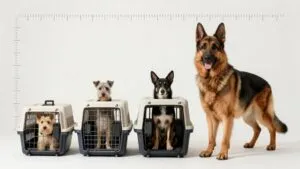
Your dog’s size and activity level should drive the choice between a cargo liner and a cargo mat. If you transport a large, high-energy dog, choose a heavy-duty liner with sidewalls, seatback coverage, anchors, and a non-slip backing. Its wider barrier handles claws, wet coats, and mud thrown against cargo walls when your dog turns or jumps. Look for 600D fabric, PVC, or TPE, plus a bumper flap for loading.
For a small, calm dog on occasional rides, a fitted rubber mat can provide sufficient floor protection with faster installation and simpler access to cargo compartments. However, measure your cargo area and your dog’s standing and turning space. A mat that leaves perimeter gaps won’t contain shedding hair or runoff. Choose a liner instead.
Conclusion
Choose a cargo liner if your dog rides behind folded or upright rear seats, tracks mud onto seatbacks, or needs containment from raised edges and anchor points. It’ll provide broader vertical coverage, fit fold-flat configurations better, and usually preserve restraint access. Choose a cargo mat for faster one-handed removal, easier vacuuming, and lower odor retention after beach trips. For large, shedding dogs, prioritize a liner; for smaller dogs and frequent cleaning, a mat works best.