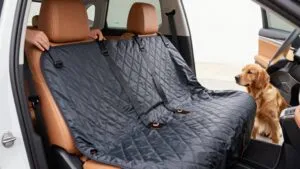
How to Wash a Dog Car Seat Cover Without Ruining the Waterproof Layer
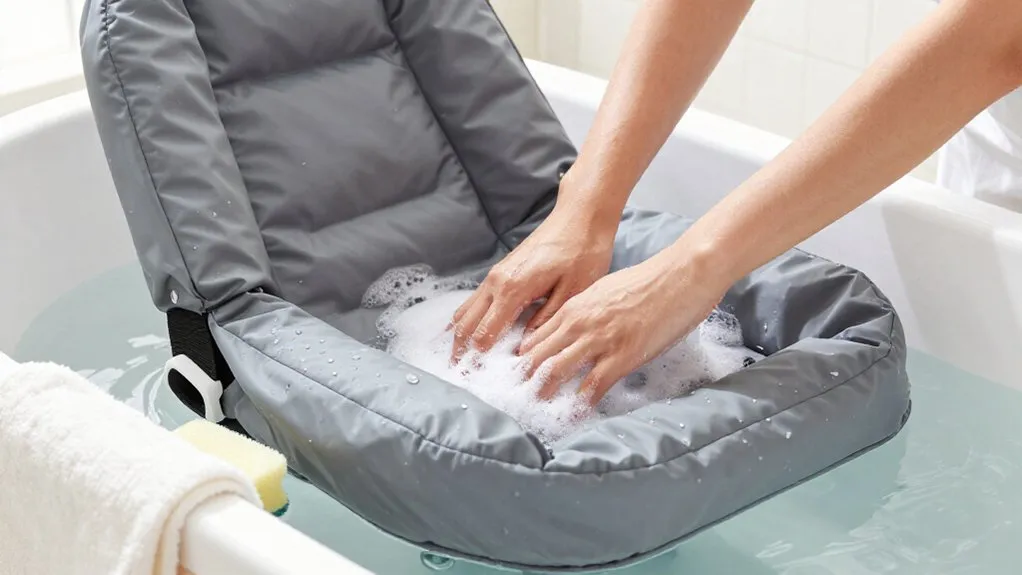
Check your cover’s care label first, especially for waterproof backing, quilted layers, and cycle limits. Shake off mud and vacuum seams and straps; after three muddy trips, wash only if permitted, using cold water, a gentle cycle, and mild pet-safe detergent. Skip bleach, fabric softener, hot water, and heated drying.
Rinse saltwater promptly with cool fresh water. Support the wet cover and air-dry fully in shade. Next, see how to spot failing seam tape early.
Waterproof Care for Muddy Dogs
Start by checking the care label, especially if your dog car seat cover has a waterproof backing or quilted layers. Before washing, take it outdoors and shake off dried mud, sand, and loose fur. Vacuum seams, quilting, and creases with a brush attachment; a lint roller lifts remaining hair without grinding grit into the face fabric. Unclip removable anchors and buckle straps so hardware won’t snag or retain water. Examine stitching, strap tabs, and zipper tracks for splits. Mend small tears before cleaning because agitation can enlarge them.
Treat muddy marks with diluted pet-safe detergent and a soft cloth. Blot, don’t scour: abrasive scrubbing can wear through the surface finish. Avoid bleach, softener, and harsh degreasers; they can compromise waterproof coatings and seam adhesives.
Check the Care Label
The care label sets the limits for every cleaning step, so read it before the cover goes near water. Use bright light and your phone camera to capture faint symbols, then save the photo for future reference. Confirm these details:
- Whether you can machine-wash, hand-wash, wipe, or spot-clean it
- The maximum water temperature and permitted cycle strength
- Detergent restrictions, including no bleach, softener, or harsh enzymes
- Drying, ironing, hardware-removal, and agitator warnings
A waterproof cover’s laminate, adhesive, and backing can fail when you exceed its stated heat or agitation limit. If label allows machine washing, follow its cycle precisely and favor an agitator-free washer when specified. “Do not tumble dry” means air-dry; don’t substitute high heat. For missing labels, contact the manufacturer before cleaning.
Wash After Three Muddy Trips
After three muddy trips, wash the cover rather than letting dried grit work into its fabric, seams, and waterproof layers. Mud hardens into abrasive particles, and repeated pressure from paws can scuff the face fabric while packing soil along stitch lines. Don’t wait for odor or visible staining; prompt cleaning after this threshold limits abrasion without turning every outing into a full maintenance cycle.
| Trip condition | What you notice | Your response |
|---|---|---|
| One trip | Damp surface mud | Wipe localized soil |
| Two trips | Grit at seams | Check stressed stitching |
| Three trips | Dry crust or odor | Schedule a wash |
| Heavy single outing | Caked mud | Wash sooner |
Use the table as a decision point, not a rigid rule. Quilted covers need attention sooner because trapped dirt rubs their barrier.
Vacuum, Cold-Wash, Air-Dry
Vacuum loose hair and grit first, then check the care label for washing limits. Use cold water and a small amount of mild detergent to protect the cover’s waterproof backing.
Air-dry it completely in a shaded, ventilated area before reinstalling it.
Vacuum Loose Hair
Start by taking the cover outside and shaking off grit, crumbs, and loose fur, then use a vacuum with an upholstery attachment to clean seams, quilting, and strap areas. Work from the top surface using slow, overlapping passes. Lift hair from hook-and-loop closures, around buckle slots, beneath headrest openings, and along stitched edges where debris can hold moisture.
For stubborn fur, pull it free with a rubber brush or lint roller before vacuuming again. Keep the nozzle moving and avoid sharp crevice tools that could scrape the coating or catch mesh panels. Empty the vacuum canister afterward; accumulated hair can reduce suction. Removing debris keeps wash water cleaner, prevents loose hair from collecting in machine drains, and reduces unnecessary agitation against the waterproof layer.
Check Care Label
Before washing, read the cover’s care label and follow its temperature, cycle, and drying limits over any general advice. Waterproof seat covers vary: one may allow a delicate machine cycle, while another requires hand washing or spot cleaning only. Look for symbols covering spin speed, detergent restrictions, bleaching, ironing, and tumble drying. These instructions reflect the cover’s shell fabric, backing, seam tape, padding, and waterproof membrane.
If the tag is missing or unreadable, check the manufacturer’s product page or contact support before laundering. Don’t assume a removable cover tolerates treatment like ordinary upholstery. Confirm whether buckles, anchors, or foam inserts must be detached first. Note warnings against fabric softener or bleach, since both can compromise coatings. Follow the label’s instructions exactly.
Use Cold Water
Cold water gives a dog car seat cover the safest routine clean because it limits shrinkage, dye transfer, and heat damage to waterproof backing or seam adhesives. Check the care label first; if it permits machine washing, choose the cold setting and a gentle cycle. For hand-washing, fill a basin with cool water rather than warm water.
Keep the cover fully supported as you lower it in, so wet fabric doesn’t pull on stitched corners, anchor openings, or quilted panels. Avoid adding hot water to “boost” cleaning: even brief heat can soften bonding agents and encourage layers to separate. Don’t use a sanitizing cycle, steam setting, or heated prewash. If your tap runs unusually cold, that’s fine for routine soil; follow the label’s limit.
Choose Mild Detergent
Choose a mild, pet-safe detergent that rinses cleanly without stripping the cover’s water-repellent finish or irritating your dog’s skin. Use only the amount listed for a small, lightly soiled load; excess soap can lodge in quilted layers, seams, and the waterproof backing. Pick a fragrance-free, dye-free liquid formula when possible, since powders may leave gritty residue and heavily scented products can bother sensitive dogs.
Skip bleach, fabric softener, stain boosters, and enzyme-heavy cleaners unless the cover manufacturer specifically approves them. For a localized muddy or greasy mark, dilute a few drops of detergent in cool water and dab it on with a soft cloth. Don’t scrub aggressively. Rinse the treated area thoroughly until the water runs clear and feels free of slickness. Protection remains.
Air-Dry Completely
Once the detergent has rinsed away completely, reshape the cover and air-dry it in a shaded, well-ventilated area. Lay quilted covers flat on clean towels or drape lighter covers over a wide drying rack, keeping straps and seams open so trapped moisture can escape. Don’t place it in direct sun, near a radiator, or in a hot dryer; heat and UV can weaken adhesives, warp backing, and damage the waterproof membrane.
Give thick, layered panels extra time. Check seams, pockets, anchor points, and underside before reinstalling. They should feel dry, not merely cool or dry on the surface. If moisture remains between layers, keep drying to prevent mildew, odor, and delamination. Once dry, test a small area with water. Beading shows the finish still works.
Rinse Saltwater Residue Immediately
After a beach trip, rinse your dog car seat cover promptly so salt doesn’t dry into the fabric or waterproof layers. Use cool, fresh water and avoid hot water, which can stress coatings and adhesives. Pay close attention to seams, strap attachments, and folds where salty moisture can collect.
Rinse After Beach Trips
Saltwater can leave corrosive crystals and gritty sand in your dog car seat cover, so rinse it as soon as you return from a beach trip. Remove the cover from the vehicle and shake it gently to dislodge loose sand before it dries in seams, quilting, strap adjusters, and buckle housings. Then rinse both the top fabric and waterproof-backed side, paying attention to stitching lines and folded edges where salt can collect.
Don’t scrub crusted grains or use a stiff brush; abrasion can wear the face fabric and stress the coating. Let the rinse carry away salt rather than soaking the cover for an extended period. Check hardware pockets and anchor openings for trapped sand. Once residue is gone, drain it and proceed with cleaning.
Use Cool Fresh Water
Rinse the cover promptly with cool, fresh water to flush away salt before it dries into crystals. Saltwater can leave a gritty film that abrades the face fabric and may interfere with its water-repellent finish. Use a gentle shower spray or a slow hose stream, rather than blasting the material with high pressure.
Support the cover so water runs across both surfaces and carries residue away. Keep the water cool: heat can soften coatings, adhesives, and waterproof films. Continue until the runoff looks clear and the fabric no longer feels slick or crunchy. Don’t use soap for this rinse unless mud or stains remain; plain water removes salt without adding detergent residue. Shake off water, then wash or air-dry the cover according to the care label.
Focus On Seams
Pay close attention to seams, stitching, and strap attachment points, where saltwater can collect and dry out of sight. After a beach trip, rinse these areas immediately with cool fresh water, directing water along the seams. Don’t blast the cover with a high-pressure nozzle, which can force grit deeper into stitch holes or lift seam tape. Open folds around webbing, buckles, and zippers so trapped crystals can dissolve completely.
Use clean fingers or a soft damp cloth to wipe away residue; avoid stiff brushes that may scuff the coating. Then blot the seams with a towel and air-dry the cover fully in shade. Check for white salt marks, stiffness, lifting tape, or loose thread before reinstalling. Prompt rinsing limits abrasion and preserves waterproof flexibility.
Water Beads After Drying
Once the cover is completely dry, sprinkle or mist a small area with clean water to check its water repellency. Watch how the droplets behave. Healthy durable-water-repellent fabric forms beads that sit on the face fabric and roll away. If water darkens the textile, spreads, or soaks in quickly, the outer repellent finish needs attention.
First, confirm no detergent residue remains; rinse and air-dry if necessary. Then use a reproofing spray compatible with your cover’s material. Apply it evenly to the clean, dry outer surface in a ventilated area, following the label’s coverage and cure-time directions. Test again only after the product has fully dried. This small check helps you catch reduced surface repellency before muddy paws and spills leave the cover waterlogged.
Stop if Backing Peels
If you notice peeling, bubbling, flaking, or a tacky feel on the cover’s inner backing, stop washing and drying it immediately. This damage usually means the waterproof film or its bonding adhesive has begun to fail. Continued agitation, heat, twisting, or stretching can enlarge the separated area and turn a small defect into a leak.
Remove the cover carefully and lay it flat with the backing facing up. Let it air-dry fully in a shaded, ventilated place, then inspect seams and damaged sections. Don’t scrape or pull loose material: that can tear the remaining membrane. Check the manufacturer’s warranty and care guidance. If damage is localized, ask a repair professional whether it can be patched; otherwise, replace the cover before it permits moisture through.
Skip Fabric Softener Completely
Skip fabric softener completely when washing a dog car seat cover. Its lubricating residues can coat the face fabric and waterproof backing, reducing water repellency and leaving a film that attracts dust, hair, and odors. Even a “gentle” or scented formula isn’t appropriate for coated polyester, polyurethane laminates, or water-resistant quilted layers.
- Use a small dose of mild, pet-safe detergent instead.
- Choose an extra rinse to remove detergent residue thoroughly.
- Clean the dispenser first if it contains softener buildup.
- Treat static with air-drying, not a softening additive.
If you’ve accidentally used softener, rewash the cover in cold water with mild detergent and an extra rinse, following its care label. Don’t add vinegar unless the manufacturer specifically permits it; acidic treatments may affect coatings or adhesives.
Inspect Seam Tape Monthly
Inspect the seam tape monthly, especially along stitched edges, corners, and strap openings where the waterproof barrier works hardest. Lay the cover flat in bright, indirect light and gently flex each taped seam. Look for lifted ends, wrinkles, bubbles, cracks, peeling, or sections that no longer lie firmly against the lining. Press lightly; intact tape should feel smooth and securely bonded, not brittle or gummy.
If you find a loose edge, don’t machine-wash the cover until you’ve repaired it with compatible seam-sealing tape or followed the manufacturer’s repair guidance. Washing and spinning can pull a small separation wider, letting moisture reach padding or the vehicle seat. After any repair, let adhesive cure fully, then test the area with a few drops of water carefully.
Conclusion
Protect your dog car seat cover by following its care label, washing it after about three muddy trips, and using a cold, gentle cycle without fabric softener. Vacuum debris first, rinse saltwater immediately, and air-dry completely. After drying, check that water still beads on the surface. Stop using or washing the cover if its backing peels, and inspect seam tape monthly. These small habits preserve the waterproof layer and keep your vehicle cleaner for longer.
Dog Car Seat Weight and Size Fit Checker
Compares your dog’s weight with limits stated in 32 dog car seat listings and identifies limits or dimensions that are not stated.
Back Seat Platform Size Calculator for Dogs
Enter your back seat, footwell and dog measurements to see if your dog fits on the seat alone or needs the footwell gap bridged.