Do Puppies Grow Out of Car Sickness? When It Usually Stops
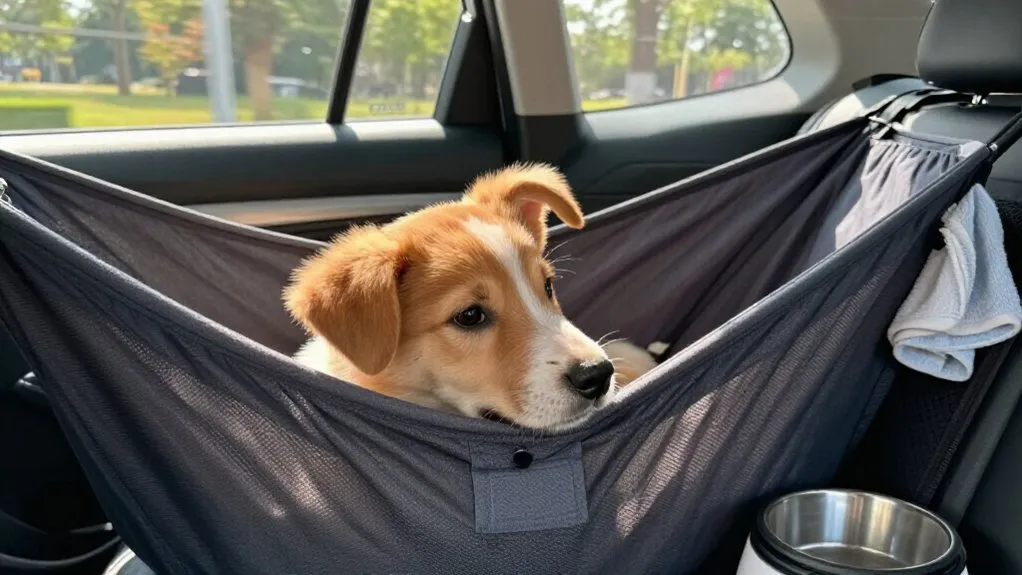
Many puppies improve or grow out of car sickness as their inner-ear balance systems mature, often by around their first birthday. You may see progress within months, with drooling or vomiting starting later, becoming milder, or stopping altogether.
Keep rides brief, smooth, cool, and safely restrained, and avoid a large meal just before travel. If signs persist past age one, worsen, or include balance changes, contact your veterinarian. More tips help you ease future trips.
Often Improves by Age One
Car sickness is especially common in puppies because their inner-ear balance system is still developing. Most dogs improve substantially as they approach their first birthday, and many no longer become ill during routine trips. You can expect progress to vary: some puppies settle within months, whereas others need longer and may remain susceptible as adults.
Early, calm car experiences can support improvement. Start with brief, predictable outings and increase duration only when your puppy remains comfortable. Pair travel with valued rewards, not solely veterinary visits, to prevent an unpleasant association. If signs persist beyond one year, worsen, or include frequent vomiting, arrange a veterinary assessment. Your veterinarian can exclude other illnesses and recommend tailored training or short-term anti-nausea treatment when appropriate for your puppy.
Immature Inner Ears Trigger Nausea
Because a puppy’s inner-ear balance system is still maturing, normal vehicle motion can create conflicting signals between the eyes, body, and vestibular organs. Your puppy’s semicircular canals detect turns while the utricle and saccule detect straight-line movement and gravity.
During travel, their still-developing signals may not match what your puppy sees or feels through its limbs. The brainstem interprets this sensory mismatch as nausea and can activate the vomiting pathway.
| Motion input | Immature-system response |
|---|---|
| Turns | Uneven processing |
| Braking | Conflicting cues |
| Bumps | Greater mismatch |
This is common in young dogs and usually eases as vestibular processing matures, often by one year. You can help with brief, smooth, forward-facing rides and a cool cabin. Ask veterinarian about repeated vomiting, signs while stationary, or persistent balance changes.
Drooling on the First Ride
If your puppy drools heavily on a first car ride, it often signals early nausea, stress, or both, not necessarily an impending illness. Excess saliva, lip-licking, repeated swallowing, and yawning can appear before vomiting because motion can stimulate the nausea response. A young puppy’s developing balance system is especially sensitive to the unfamiliar movement of travel.
Note when the drooling begins, whether vomiting follows, and how quickly your puppy returns to normal after the car stops. For the next ride, keep it brief, secure your puppy safely, provide cool fresh air, and avoid a large meal beforehand. Clean water is fine in small amounts after travel. Contact your veterinarian if drooling accompanies repeated vomiting, lethargy, diarrhea, head tilt, pain, or symptoms outside car trips as well.
Motion Sickness Versus Travel Anxiety
If your puppy lip-licks, drools, swallows repeatedly, or vomits once the car moves, motion sickness is likely contributing. If they tremble, whine, freeze, or resist getting into the car before travel begins, anxiety may be a stronger factor. Because both conditions can overlap and worsen each other, you can track when signs start and share persistent or severe symptoms with your veterinarian.
Signs of Motion Sickness
Motion sickness often begins before a puppy vomits: watch for heavy drooling, lip-licking, repeated swallowing, yawning, panting, whining, or restless shifting during a ride. These signs reflect nausea and can appear within minutes of vehicle movement. Your puppy may also become unusually quiet, hold still, or retch before vomiting.
Vomiting during or shortly after travel strongly supports motion sickness, especially in young dogs whose balance systems are still developing. Symptoms usually ease after the car stops, although recovery time varies. Note when signs begin, how long they last, and whether vomiting occurs. Contact your veterinarian if episodes are frequent, severe, persist beyond travel, or accompany diarrhea, lethargy, pain, head tilt, or loss of balance. Early recognition lets you plan safer, more comfortable rides promptly.
Recognizing Travel Anxiety
Travel anxiety can look much like motion sickness, but it often starts before the car moves or when your puppy sees, hears, or approaches the vehicle. You may notice hesitation, retreating, trembling, whining, panting, yawning, lip-licking, or refusal to enter. Some puppies become unusually still or seek to escape.
These responses reflect stress-system activation and can intensify drooling or nausea during travel. A prior unpleasant ride, especially one linked to a veterinary visit, can create this learned response. It isn’t your fault, and it can improve with patient, positive handling. Tell your veterinarian if fear is intense, vomiting is frequent, or symptoms occur outside car travel. They can assess your puppy’s health and help you build a safe, gradual plan that supports calmer journeys ahead.
Key Differences to Watch
Although the signs can overlap, timing offers a useful clue: motion sickness usually emerges once the car is moving and often includes drooling, repeated swallowing, lip-licking, and vomiting, whereas travel anxiety may begin when your puppy sees or approaches the car.
An anxious puppy may pant, whine, pace, tremble, freeze, or resist getting in before departure; these signs can continue even while parked. Motion sickness more often improves soon after the vehicle stops, although anxiety can intensify nausea and vomiting. Track when signs start, whether vomiting follows movement, and how quickly your puppy recovers.
Both problems can occur together, especially after unpleasant trips. Your veterinarian can rule out ear or gastrointestinal disease; you’ll choose, with guidance, gradual training, environmental changes, or medication when appropriate. Early, positive practice can improve comfort and prevent fearful associations.
Underlying Ear Problems
Inner-ear balance problems can make your puppy more vulnerable to nausea during car travel. An ear infection may also disrupt balance and cause head shaking, ear odor, discharge, or unsteadiness alongside vomiting. If your puppy has these signs, persistent symptoms, or severe vomiting, schedule a veterinary examination to identify and treat the cause.
Inner Ear Balance Issues
Because your puppy’s inner ear helps control balance, disease or inflammation in this area can mimic or worsen ordinary car sickness. Unlike motion sensitivity, vestibular dysfunction may cause signs outside travel, including a head tilt, stumbling, circling, falling, involuntary eye movements, or reluctance to stand. Your puppy may seem disoriented rather than nauseated during a ride.
These signs don’t prove a serious disorder, but they warrant a veterinary examination, particularly if they start suddenly, persist after the car stops, or occur with weakness. Your veterinarian can assess gait, eye movements, and neurologic function and decide whether testing is appropriate. Treating the underlying balance problem can reduce travel-related distress. Until your appointment, limit rides, secure your puppy, and avoid giving motion-sickness medicines without veterinary advice.
Ear Infections And Nausea
Ear infections, particularly those affecting the middle or inner ear, can disrupt balance signals and trigger nausea or vomiting that may seem like ordinary car sickness. When inflammation alters vestibular input, your puppy may feel unsteady even before the car moves. You might also notice head shaking, ear scratching, odor, discharge, head tilt, stumbling, or unusual eye movements. These signs don’t prove an infection, but they make a simple developmental explanation less likely.
Outer-ear infections don’t always cause nausea, yet deeper inflammation can affect balance pathways. Prompt, appropriate treatment generally resolves the infection and may reduce nausea once normal vestibular signaling returns. Don’t put drops, cleaners, or human medicines into your puppy’s ears unless prescribed: an irritated eardrum or incorrect product can worsen discomfort. Keep rides calm and brief while the underlying ear problem is addressed.
When To See A Veterinarian
When should you contact your veterinarian? Arrange an examination if your puppy’s car sickness is severe, occurs on most trips, persists after travel, or begins suddenly after previously comfortable rides. Vomiting unrelated to driving, poor appetite, diarrhea, lethargy, head shaking, ear scratching, odor, discharge, head tilt, loss of balance, or abnormal eye movements need assessment.
These signs can indicate otitis media or interna, where inflammation affects balance structures in the inner ear and may cause nausea independent of motion. Your veterinarian can examine the ear canals, assess neurologic and hydration status, and rule out gastrointestinal illness. Early treatment relieves discomfort and protects hearing and balance. Don’t give human anti-nausea or ear medications without veterinary advice, since inappropriate products or doses can cause harm.
Crate Position for Smoother Rides
A securely anchored crate can make car travel feel steadier for a carsick puppy by limiting sliding and excessive body movement. Position the crate on a flat, stable surface in the back seat or cargo area, according to its size and your vehicle’s safety guidance. Avoid the front passenger seat, where airbags can injure a puppy.
Keep the crate level and orient it so it can’t tip, rotate, or shift during braking and turns. Use approved straps or cargo anchors, and confirm that doors and latches remain accessible but secure. Add nonslip bedding that your puppy already knows, without overfilling the crate. A partially covered crate may reduce visually stimulating motion for some puppies, but maintain airflow and observe comfort. Test placement during brief, calm rides first.
Vomiting Can Cause Dehydration
Vomiting can deplete your puppy’s fluids and electrolytes, particularly if episodes recur during a long trip or continue after travel ends. A single brief episode in an otherwise bright puppy rarely causes dangerous dehydration, but repeated vomiting deserves close observation. Offer small amounts of fresh water at stops and once you arrive; don’t force drinking, which may trigger further nausea. Watch for dry or tacky gums, reduced skin elasticity, unusual lethargy, weakness, sunken eyes, or reduced urination.
These signs can indicate fluid loss, especially in puppies. Contact your veterinarian if vomiting persists, your puppy can’t keep water down, or dehydration signs appear. Seek urgent care for collapse, blood in vomit, severe diarrhea, or marked abdominal pain. Veterinary care can restore hydration and identify other causes.
Feeding Right Before Travel
Feeding can influence travel nausea, so avoid giving your puppy a large meal immediately before a car ride. A fuller stomach can make vomiting more likely when motion triggers nausea. Instead, plan meals so digestion is underway before departure.
- Offer the balanced diet, not a rich new food.
- Finish the main meal several hours before leaving.
- Provide small amounts of water unless your veterinarian advises otherwise.
- Use only tiny familiar treats for calm training during travel.
- Ask your veterinarian about individualized fasting guidance for very young or medically affected puppies.
Don’t withhold food for excessive periods; puppies need regular nutrition and can be vulnerable to low blood sugar. If trips occur near a scheduled meal, offer a smaller portion afterward when your puppy’s settled.
Track Symptoms After Each Trip
After each car ride, note your puppy’s early signs—such as drooling, lip-licking, yawning, panting, whining, restlessness, or vomiting—and how long they last once the trip ends. Record your puppy’s age, ride length, meal timing, destination, and whether you used a crate, restraint, or medication.
Don’t rely on memory: rate severity (none, mild, moderate, or severe) and identify when signs began: before departure, during travel, or afterward. A log helps you and your veterinarian detect patterns and distinguish motion sickness from travel-related anxiety.
Improvement means symptoms start later, remain milder, or resolve sooner over repeated short trips. Most episodes settle within 30 minutes after travel stops. Contact your veterinarian if vomiting is frequent, severe, prolonged, or accompanies diarrhea, lethargy, pain, head tilt, or loss of balance.
Conclusion
Most puppies with motion sickness improve as their balance system matures, often by about 12 months of age. You can reduce episodes by using a secure, well-positioned crate, avoiding meals immediately before travel, and keeping rides brief and calm. Record drooling, vomiting, and anxiety after each trip so you can spot patterns. Contact your veterinarian if symptoms persist, worsen, include ear signs, or cause repeated vomiting, because dehydration and treatable conditions need prompt veterinary attention.