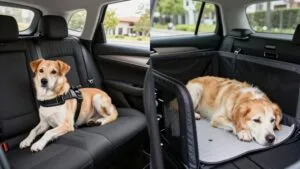
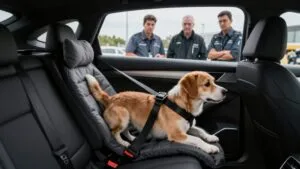
What Is the Safest Way for a Dog to Ride in a Car? Options Ranked
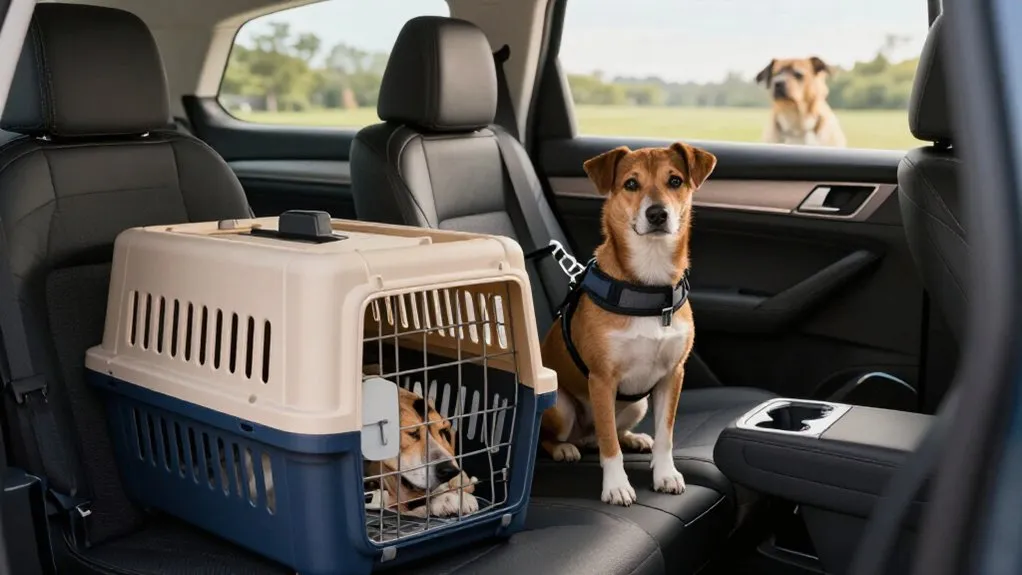
Give your dog the protection in an individually secured, crash-tested rigid crate or carrier positioned in the rear and anchored exactly as instructed.
Next best is a properly fitted, crash-tested harness attached to its own back-seat belt; never use a collar, shared tether, or cargo hook. Vehicle-specific barriers only limit distraction and don’t replace restraint.
Match fit, weight ratings, and vehicle compatibility; inspect hardware and verify certification. The options below help you choose more safely.
Crash-Tested Harness Verdict
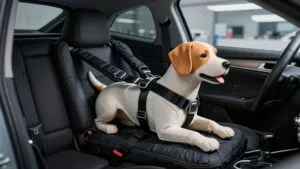
A crash-tested harness is a strong choice for medium and large dogs when a secured crate isn’t practical. You should choose a model crash-tested and certified by the Center for Pet Safety, rather than relying on “crash-proof” marketing. These harnesses spread sudden-stop forces across your dog’s chest and shoulders, helping prevent neck loading associated with collar attachments.
Fit it snugly according to the manufacturer’s instructions, then route its seat-belt connector as directed; slack, incorrect routing, or damaged hardware can undermine protection. Secure your dog in the back seat, away from front-airbag hazards and driver distractions. A harness won’t make crash risk disappear, but it substantially reduces the chance that your dog becomes a projectile. Never substitute a tether, cargo hook, or collar connection for a tested restraint.
Back-Seat Space and Trip Length
Back-seat space and trip length should guide the restraint you choose. Measure usable seat area and check your vehicle manual before buying. A restraint must fit, attach to belt paths or anchors, and not slide, tip, or rotate in braking. Keep your dog in the rear seating area, away from front airbags.
For short drives, a properly installed, crash-tested harness-to-seatbelt system can preserve seating space while limiting forward motion. For longer journeys, choose a secured rigid crate or carrier if your vehicle can anchor it correctly, providing a protected resting area and helping contain travel supplies. Plan stops for water, toileting, and movement, and never leave your dog alone in a parked car. Before departure, test setup on a short drive and recheck every connection.
Dog Size and Temperament
Your dog’s size and temperament should determine the restraint you use, because crash forces, escape risk, and comfort needs vary widely. A tiny dog can suffer severe airbag or crush injuries, while a giant dog creates far greater collision loads. Measure chest, neck, and body dimensions; then verify each product’s weight rating, independent crash-test results, anchor compatibility, and secure vehicle fit.
| Dog profile | What to prioritize |
|---|---|
| Under 10 pounds | Padded, snug fit; avoid airbag exposure. |
| 10–90 pounds | Fit that limits movement; rating matches mass. |
| Over 90, anxious, or reactive | High-load, escape-resistant setup; get professional guidance. |
For seniors, prioritize low entry, cushioning, and veterinarian-approved support. Build tolerance through brief, calm practice trips, and never rely on a collar attachment alone when the vehicle is moving.
Crates, Harnesses, and Barriers Compared
Your dog’s size, temperament, and travel needs help you choose between a crash-tested crate, vehicle safety harness, or backseat barrier. Secured, crash-tested crates generally provide the strongest containment, while properly fitted crash-tested harnesses can protect dogs who ride on the back seat. Barriers may limit distraction, but they don’t replace a tested restraint during a collision.
Crash-Tested Travel Crates
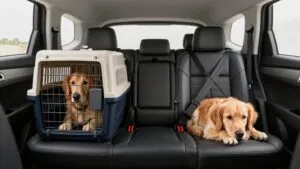
For the highest level of containment in a collision, choose a rigid, crash-tested travel crate that you can securely anchor in the cargo area or back seat. Plastic or metal models tested to crash standards can limit ejection, crushing, and dangerous movement in stops or rollovers. Select a crate that lets your dog stand, turn, and lie down comfortably, but doesn’t leave enough room for them to be thrown against its walls.
Follow the maker’s instructions, using approved tie-downs or anchor points so the crate can’t slide, tip, or rotate. Keep it away from airbags. Before every trip, inspect the shell, door, latches, and hardware for cracks or damage. A fitted, secured crate gives your dog a protected space when the road becomes unpredictable.
Vehicle Safety Harnesses
A crash-tested vehicle harness offers a practical alternative to a crate for many medium and large dogs, especially on shorter trips. Choose a crash-tested model, preferably CPS certified, not “crash-proof” marketing. When you route the tether through the seat belt as directed, a harness spreads sudden-stop forces across your dog’s chest and shoulders, not the neck.
Keep your dog in the rear seat, away from airbags, and fit the harness snugly without restricting breathing or movement. Check buckles, stitching, and hardware before each drive. Never clip it to a collar or improvise with a leash; those choices can cause neck injuries. A harness won’t match a secured rigid crate’s containment in every crash, but it reduces projectile risk while letting your dog ride comfortably.
Backseat Barrier Systems
Backseat barriers can help keep a dog from climbing forward, but they aren’t crash restraints on their own. A mesh or metal barrier limits driver distraction and may prevent a frightened dog from entering the front seat, where airbags create serious hazards. Yet it can’t stop your dog from being thrown or protect against impact forces.
A secured crate provides enclosed containment when properly anchored; its rigid structure may offer more protection than a barrier. A seat-belt-attached harness restrains the dog directly and spreads force across the body, provided you fit and route it correctly. Small dogs may travel in a securely belted carrier, while a barrier can supplement—not replace—that restraint. Check barriers routinely for loose mounts, gaps, or bent hardware before travel.
Choosing The Safest Option
Although every dog and vehicle differs, a properly secured, crash-tested crate or travel kennel generally offers the strongest overall protection because it contains the dog during sudden stops or rollovers. Choose a rigid crate sized so your dog can stand, turn, and lie down without room, then anchor it using vehicle tie-downs. Place it in the rear seating area or cargo space, away from airbags.
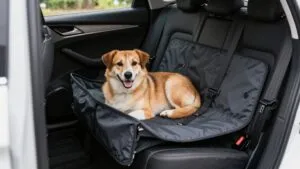
If a crate won’t suit your dog or car, select a crash-tested harness and route the seat belt as directed. It spreads forces across chest rather than neck. For small dogs, use a carrier or anchored booster with a harness tether.
Barriers help limit distraction but don’t reliably restrain dogs. Never use collars, loose tethers, or the front seat.
Best for Multi-Dog Households
When you travel with multiple dogs, give each one an individual, properly secured crate or crash-tested harness with a seat-belt attachment. A cargo-area barrier can help manage space, but it shouldn’t replace crash-rated restraint or safe separation between dogs. Secure each setup according to its instructions so your dogs can’t collide, distract you, or become projectiles in a sudden stop.
Crates for Multiple Dogs
For multi-dog households, the safest approach is usually one properly secured, crash-tested crate or travel kennel per dog. Separate crates prevent dogs from colliding with or crowding one another during abrupt braking, rolls, or a crash. Choose rigid, independently tested models and size each kennel so your dog can stand, turn, and lie down comfortably without excessive room to be thrown around.
Secure every crate using its approved anchor points and your vehicle’s rated cargo tie-downs; a loose kennel can become a dangerous projectile. Position crates in the back seat or cargo area, away from front airbags, following both the crate and vehicle guidance. Measure your available space first, leave ventilation gaps, and don’t stack crates unless the manufacturer specifically permits it in writing.
Harnesses With Seat Belts
Crash-tested harnesses secured to individual seat belts can be a practical, safe option for multi-dog households, especially when separate crates won’t fit in your vehicle. Choose Center for Pet Safety-certified models rather than marketing claims alone. A well-fitted harness spreads sudden-stop forces across your dog’s chest and shoulders, helping prevent projectile injuries without putting force on the neck.
Place each dog in back seat and connect restraint exactly as its manufacturer directs. Harness should sit snugly without limiting normal breathing or movement. Give every dog a separate seating position and buckle; never clip two dogs to one belt or attach a tether to a collar.
Practice short, calm rides first, rewarding relaxed behavior. Inspect straps and buckles for wear before each journey, without exceptions.
Cargo Area Barriers
If several dogs travel together, a sturdy cargo-area barrier can keep them contained behind the rear seats and away from the driver. Choose a vehicle-specific metal barrier that mounts securely to factory points and fits without gaps or rattling. A solid installation helps prevent dogs from climbing forward during normal driving or a sudden stop, reducing distraction and protecting everyone in the cabin.
However, barriers aren’t crash-tested restraints for most dogs, and they don’t prevent an animal from being thrown within the cargo area in a collision. For meaningful crash protection, use properly secured travel crates when possible. Check the barrier’s hardware and don’t rely on pressure-mounted gates or improvised screens. Introduce the setup gradually with calm practice rides, so your dogs travel confidently.
Separating Dogs Safely
Separate dogs into individual secured crates or carriers whenever possible, especially when they vary in size, temperament, or travel anxiety. Separate containment prevents an anxious dog from climbing on, provoking, or injuring another during abrupt braking. It also keeps each dog from becoming a projectile and lets you tailor crate size, ventilation, and restraint to individual needs.
Choose rigid, appropriately sized crates and anchor each one using the manufacturer’s approved points and your vehicle’s rated tie-downs or seatbelt path. Put crates in the rear seating area or cargo space, never beside an active front airbag. If crates won’t fit, use separately positioned, crash-tested harness-to-seatbelt systems; don’t clip dogs together or tether them by collars. Introduce each setup with rewards, and stop to check water and hardware.
Rear-Seat Headrest Compatibility
Before choosing a rear-seat restraint, check that it works with your vehicle’s headrests and approved anchor points. Dog harnesses, booster seats, and seatback tethers loop around headrest posts, so compatibility matters. Consult both your vehicle manual and the restraint maker’s instructions; not every headrest is adjustable, removable, or strong enough for that installation.
Never attach a pet restraint to a headrest unless its manufacturer specifically permits it. Use designated seatbelt paths or lower anchors when required, and don’t improvise with cargo hooks or straps. Confirm the restraint sits stable, the headrest locks securely, and your dog’s harness fits snugly across the chest. Practice setup before travel, then recheck it after loading your dog. A compatible installation helps limit movement while keeping your companion safer.
Replacement Buckle Costs Over Time
A restraint’s long-term safety also depends on the condition of its buckle and hardware. You should inspect buckles, adjusters, tether clips, and seat-belt connectors before each trip for cracks, corrosion, bent metal, frayed webbing, sticking releases, or a latch that doesn’t fully engage. Replacement buckles may cost far less than replacing an entire harness, carrier, or crate, but only buy manufacturer-approved parts designed for your specific model. A bargain universal clip can alter fit or fail to lock securely under load.
Budget for occasional replacement if you drive often, your dog chews hardware, or equipment faces heat, moisture, sand, and road salt. Don’t repair damaged buckles with tape, glue, zip ties, or improvised hardware. If the maker doesn’t offer compatible replacements, retire the restraint.
Avoid Expired Crash-Test Certifications
Don’t assume a restraint remains crash-tested forever: verify that its exact model, size, and configuration still appear on the testing organization’s current list. Certification applies to the product actually tested, not automatically to a revised design, discontinued version, or different size. Manufacturers can change materials, buckles, stitching, or hardware, and a label alone doesn’t prove today’s model passed independent testing.
Before you buy or reuse a restraint, check:
- The certifier’s current approved-product database for the full model name and size.
- Manufacturer notices for revisions, recalls, or discontinued status.
- The restraint itself for damage, missing labels, or altered parts.
If records are unclear, choose a currently listed alternative or contact the certifier. Your dog depends on evidence, not outdated marketing claims when a crash happens.
Verify Vehicle Belt Routing
Current certification only helps when you install the restraint exactly as its tested design requires. Before every trip, check the manual for your harness, carrier, or crate. A belt routed through the wrong loop, placed behind rather than through a designated guide, or left twisted can let the restraint shift in a sudden stop. Your dog depends on that path to manage crash forces as intended.
- Thread the lap and shoulder portions through only the marked openings.
- Buckle the belt, remove slack, and confirm its locking function as the manufacturer directs.
- Pull the installed restraint; it shouldn’t slide, rotate, or tip.
Never substitute cargo hooks, clips, or improvised extensions for attachment points. If the instructions conflict with your vehicle’s belt design, contact the manufacturer before driving.
Conclusion
To protect your dog, choose a current crash-tested crate first when it fits your vehicle and is secured exactly as directed. A properly fitted, crash-tested harness ranks next for many back-seat riders; barriers alone don’t provide crash protection. Match the setup to your dog’s size, temperament, trip length, and headrest/belt compatibility. Check certification dates, routing instructions, and replacement-buckle costs. For multiple dogs, use separate secured spaces. You can’t eliminate risk, but you can reduce it.
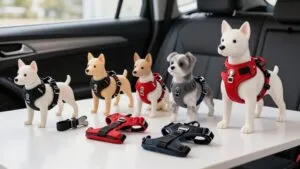
Dog Car Harness Size Chart & Fit Finder
Enter your dog's chest girth and weight to see the matching Ruffwear, EzyDog and Sleepypod car harness size, with between-size and crash-test notes.