How Cold Is Too Cold to Leave a Dog in the Car? Winter Safety Limits
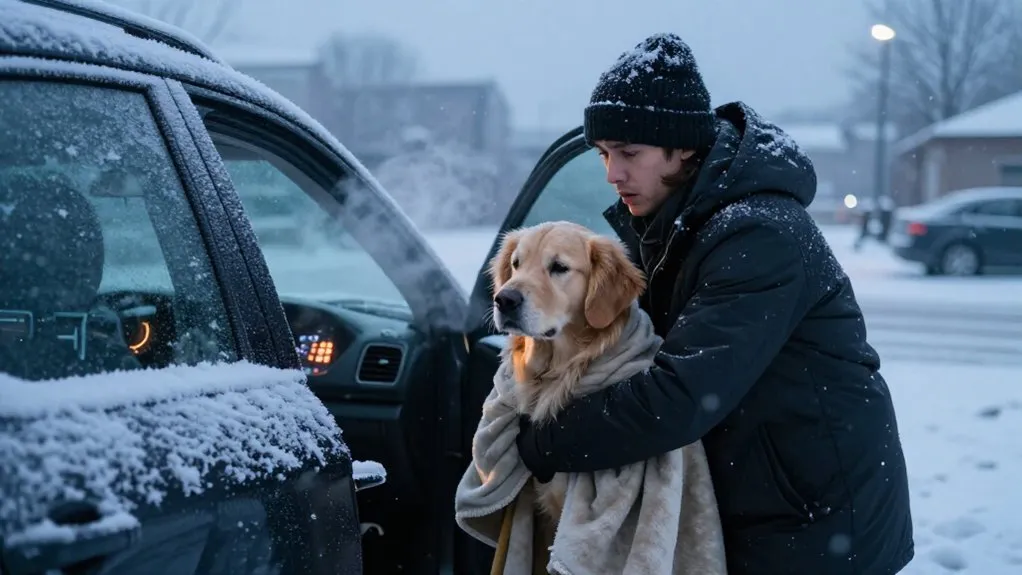
Don’t leave your dog unattended in an unheated car when outdoor temperatures fall below 45°F (7°C); the cabin can quickly cool toward ambient temperature after shutdown.
Use stricter limits for small, short-coated, young, senior, ill, underweight, or wet dogs, which lose heat faster. Sunlight, cracked windows, blankets, and a 15-minute timer don’t make the car safe.
If your dog shivers, seems lethargic, or lifts paws, warm them gradually and call a veterinarian. Warning signs follow.
Below 45°F Poses Risks
Once the temperature falls below 45°F (7°C), treat an unattended car as a potentially unsafe place for a dog, especially if the stop may last more than a few minutes. A parked vehicle with its heater off provides little insulation and can rapidly approach outdoor temperature, in shade or wind. Cold exposure can lower a dog’s core temperature; mild hypothermia may begin below 99°F, versus a normal 101–102.5°F.
Risk rises with confinement, wet fur, cold surfaces, illness, low body condition, age, or a thin coat. Don’t assume windows, blankets, or a coat make an errand safe. Bring your dog with you or leave them home. If you observe shivering, whining, weakness, slow breathing, or lethargy, move them indoors, warm gradually, and contact a veterinarian.
Small Dogs Chill Faster
Small dogs, often those under about 20 pounds, lose body heat faster than larger dogs because they have more surface area relative to their body mass. Their surface-area-to-volume ratio lets heat escape faster than their smaller bodies can replace it. You should treat cold exposure conservatively for short-coated, wet, thin, young, senior, or ill dogs.
| Factor | Why Risk Rises | Your Action |
|---|---|---|
| Under 20 pounds | Limited heat reserve | Don’t leave unattended |
| Thin or wet coat | Less insulation | Keep fur dry |
| Near 45°F | Cold stress may begin | Choose indoor care |
| Around 20°F | Hypothermia and frostbite risk rises | Avoid exposure |
Watch for shivering, paw lifting, or lethargy. If signs occur, bring your dog into warmth, wrap it in blankets, and contact veterinarian. Frostbite affects ears, tail, and paw pads.
Cabin Temperature Drops After Shutdown
After you turn off the engine, an unheated car rapidly loses its limited warmth and approaches the outdoor temperature, especially in shade or wind. Treat the cabin as an extension of the weather, not as a protective shelter. Glass, metal, and thin vehicle insulation allow heat to escape; once the heater stops, interior conditions can quickly equilibrate with ambient air.
A parked vehicle may feel warmer at first, but that residual heat doesn’t provide a reliable safety margin. Cold surfaces also draw heat from a resting dog. Don’t use a remote start or a recently warmed cabin as justification for an unattended errand. If you must stop, keep your dog with you or arrange a supervised, heated location until you can resume travel.
Short-Coated vs. Double-Coated Breeds
Your dog’s coat type affects how quickly it loses heat in an unheated car. Short-coated dogs have less insulation and may need dry bedding and a coat during closely supervised transport, while double-coated breeds retain heat longer. However, you shouldn’t leave any dog unattended, because prolonged cold exposure can still cause hypothermia or frostbite.
Coat Type and Insulation
Coat type strongly affects how quickly a dog loses body heat in an unheated car. A double coat combines a dense, soft undercoat that traps insulating air with longer guard hairs that help limit heat loss and repel moisture. This insulation works best when the coat is clean and completely dry; matting or wet fur reduces its protective air layer and increases conductive and evaporative heat loss.
Short-coated dogs have little undercoat and less trapped air next to the skin, so you shouldn’t assume their fur protects them in a cold vehicle. Hairless or clipped dogs have even less insulation. Check your dog’s coat condition for winter trips, but don’t treat coat thickness as a substitute for supervision, indoor shelter, or a heated vehicle.
Cold Tolerance Differences
A dog’s breed, size, age, health, and coat type all shape cold tolerance, but none makes an unattended, unheated car reliably safe. You should expect a short-coated dog, such as a Boxer, Beagle, or Chihuahua, to lose body heat faster than a comparable double-coated dog. Small body size and a lean build further increase heat loss because they provide less thermal mass and insulation.
Double-coated breeds, including Siberian Huskies and Alaskan Malamutes, retain heat longer through dense underfur and typically tolerate lower ambient temperatures. However, vehicle interiors rapidly approach outdoor temperature after the heater stops. Confinement also limits movement and access to warmer locations. Even cold-adapted breeds can develop hypothermia during prolonged exposure, with frostbite affecting ears, tails, and paw pads in severe cold.
Extra Protection Needs
Because short-coated dogs lose heat rapidly, they need more protection than double-coated breeds during brief, supervised winter stops. If you must pause, keep your dog with you or have a responsible adult monitor continuously. Put a dry, well-fitted insulated coat on a short-coated dog and place it on dry insulated bedding, not cold metal or floor surfaces. Don’t treat clothing or bedding as a safe substitute for heat or supervision.
Avoid car stops below 32°F for toy, thin, senior, young, ill, or underweight dogs. A double coat slows heat loss, but it doesn’t prevent hypothermia in an unheated vehicle. Remove any dog with wet fur; dry it first. Watch for shivering, whining, paw lifting, weakness, or lethargy. Bring it indoors immediately if signs develop.
Direct Sunlight Raises Cabin Temperature
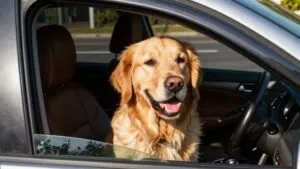
Direct sunlight through car windows can raise cabin temperature quickly, even when outdoor conditions feel cold. You can’t assume a sunny parking spot protects your dog, because temperatures may shift rapidly and unevenly inside the vehicle. These changes can cause heat stress in sun-exposed areas while leaving other parts of the cabin cold.
Sunlight Through Car Windows
Sunlight can raise a parked car’s cabin temperature above the outdoor reading, even on a cold day. Glass admits solar radiation, and interior surfaces absorb that energy, warming seats, dashboards, floors, and the air around your dog. The effect varies with cloud cover, window area, vehicle color, parking orientation, and how much direct sun reaches the cabin.
Don’t treat a sunny winter parking space as reliable protection from cold exposure. Shaded areas of the vehicle, the floor, and surfaces away from the sun may remain cold, while your dog may move between warmer and cooler spots. Sun exposure also can create uncomfortable localized warmth, particularly for dogs with thick coats. Keep your dog with you rather than using sunlight as a heating strategy.
Rapid Cabin Temperature Changes
A parked car’s cabin temperature can change rapidly when direct sun reaches the windows, rising above the outdoor temperature even during winter. Solar radiation passes through glass and warms seats, dashboards, flooring, and other interior surfaces. Those surfaces then release heat into the cabin, while closed windows limit ventilation.
Cloud cover, sun angle, vehicle color, window area, and parking orientation affect both the speed and extent of warming. A dark dashboard can absorb substantial energy, while a windshield facing low winter sun can intensify heating. Conditions can shift within minutes as clouds move or the sun changes position. Don’t estimate cabin conditions from the forecast alone. Before any supervised stop, assess sun exposure, use a reliable in-car thermometer, and recheck it often during stops.
Risks For Dogs Inside
Even in cold weather, direct sun can rapidly turn a parked car into a dangerous heat trap for a dog. Sunlight passes through glass and warms interior surfaces; limited ventilation then slows heat loss. You can’t judge risk from outdoor temperature alone: cabin temperature may rise while your dog cannot escape or cool itself efficiently. Brachycephalic, older, overweight, and vulnerable dogs can deteriorate fastest.
| Condition | Safety action |
|---|---|
| Direct sun | Don’t leave your dog inside. |
| Panting or restlessness | Return immediately; move to a cool area. |
| Heavy panting, drooling, weakness | Seek urgent veterinary care. |
| Tinted windows | Don’t treat them as reliable protection. |
If signs appear, cool your dog with a cool, wet towel, offer water if alert, and contact your veterinarian. Never rely on cracked windows.
Set a 15-Minute Timer
Set a 15-minute timer only as a reminder to return promptly, not as a guarantee that an unheated car is safe for your dog. A parked vehicle can cool toward ambient temperature rapidly, and cold-stress tolerance varies with size, coat, age, body condition, and health.
Use the alarm to limit an unavoidable, brief stop while you remain nearby and able to return immediately. It doesn’t make unattended confinement appropriate, especially near freezing or for puppies, senior dogs, thin dogs, or dogs with illness. Complete your errand first, choose curbside pickup, or leave your dog home.
If you return and notice shivering, weakness, slowed movement, or unusual quietness, move your dog into a warm environment and contact a veterinarian promptly for guidance without delay that day.
Wet Fur Accelerates Heat Loss
Wet fur sharply increases heat loss, so a damp dog can become cold far faster in an unheated parked car than a dry dog. Water displaces the insulating air trapped within the coat and conducts heat away from your dog’s body more efficiently than dry air. If your dog has been in rain, snow, slush, or a bath, towel-dry the coat thoroughly before travel.
Don’t use wet, damp bedding. Pay particular attention to the belly, chest, paws, and ears, where wetness and contact with cold surfaces can increase heat loss and frostbite risk. A wet, shivering, quiet, weak, or unsteady dog needs immediate warmth and veterinary assessment. Keep your dog with you or take them home rather than leaving them unattended after getting wet.
Cracked Windows Don’t Prevent Hypothermia
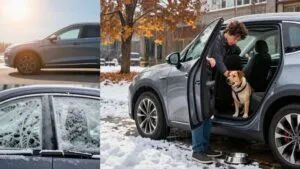
A cracked window won’t keep a dog warm in a parked car: when the heater is off, the cabin quickly approaches the outdoor temperature and provides little meaningful insulation. Opening glass slightly can increase air exchange, but it cannot generate heat or prevent conductive and convective heat loss. You shouldn’t treat ventilation as winter protection, especially near freezing or in wind-exposed parking areas.
- Assume the cabin will cool to near ambient temperature.
- Recognize that small, short-coated, elderly, ill, and underweight dogs lose heat faster.
- Use dry insulated bedding only during brief, supervised transport stops.
- Plan errands so your dog stays home or accompanies you indoors.
A car isn’t warm once heat stops. To reduce hypothermia and frostbite risk, don’t leave your dog unattended inside.
Monitor Shivering and Lethargy
Watch for shivering, whining, lifted paws, or attempts to curl up or seek warmth, as these can signal early cold stress. Do not dismiss these behaviors as normal discomfort. In an unheated parked car, temperatures can quickly approach outdoor conditions, and continued heat loss may progress from shivering to weakness, lethargy, slow breathing, stupor, or collapse.
Check your dog continuously during winter transport; don’t leave them alone to monitor later. Puppies, senior dogs, thin dogs, sick dogs, and short-coated breeds may deteriorate sooner. If your dog becomes quiet, unsteady, unusually sleepy, or unresponsive, move them immediately to a warm, dry setting. Wrap them in dry blankets and contact a veterinarian or emergency clinic promptly. Don’t use baths, heating pads, or direct heat; rapid rewarming can harm.
Conclusion
Treat a parked car as an uncontrolled cold environment, not a safe waiting area. Once temperatures fall below 45°F, your dog can lose body heat quickly, especially if they’re small, short-coated, wet, elderly, or ill. You can’t rely on cracked windows or sunlight to maintain safety. Keep trips brief, use a 15-minute limit only when conditions are mild, and check your dog. If you see shivering, lethargy, or weakness, warm them and contact a veterinarian.