Hard-Bottom vs Hammock Dog Seat Cover: Is the Upgrade Worth It?
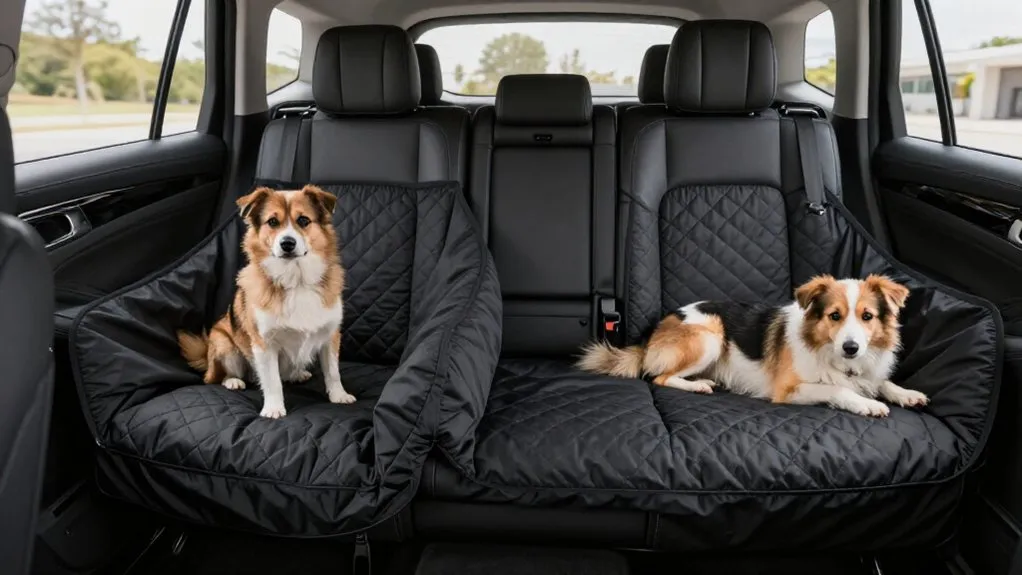
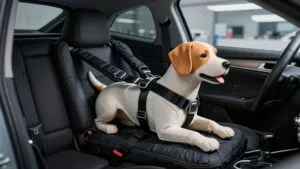
A hard-bottom extender is worth it if your dog is large, senior, unsteady, or prone to slip into the footwell. Its rigid, level surface reduces sagging, bouncing, and bracing during turns and braking, while a padded non-slip liner adds comfort.
Choose a hammock for lighter dogs only when it stays taut and fits your headrests securely. Measure console clearance, preserve buckle access, and use crash-tested restraints. You’ll find more fit, cleaning, and comfort guidance ahead.
Rigid Floor vs Sling Support
The support system determines how securely a dog seat cover bridges the gap between the rear bench and footwell. A rigid floor supports heavy dogs; some extenders claim 400 to 420-pound capacity. It keeps footing level during turns and braking, reducing footwell slips. Sling support adapts to narrow or irregular seats, but heavy dogs can make it bounce, droop, and shift forward.
| Factor | Rigid floor | Sling support |
|---|---|---|
| Load | High; check rating | Lower; may sag |
| Fit | Best in wide cabins | Adapts to compact seats |
| Stop control | Holds shape | Can shift forward |
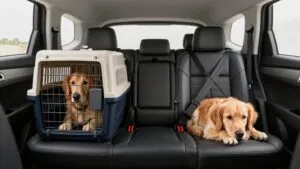
Choose rigid support if your dog is large, mobile, or unsteady, and confirm buckle and anchor access. Choose sling support for small dogs in constrained cabins, then tighten attachments. Neither replaces a crash-tested harness or carrier.
Rigid Panels vs Suspended Fabric
Rigid panels create a firm, level extension from the rear bench to the footwell, so they better distribute a large dog’s weight and reduce slipping during braking or turns. You get a continuous surface that supports paws and helps prevent a heavy dog from dropping into the footwell. In practice, rigid inserts paired with durable, waterproof fabric resist sagging, bunching, and moisture seep-through better than thin fabric alone.
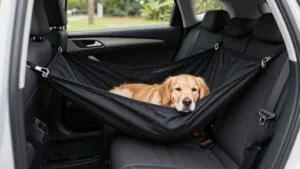
A hammock uses suspended fabric, headrest straps, and seat anchors to form a flexible barrier. It folds compactly and protects the seatback well, but support depends on tight straps, reinforced seams, and vehicle-specific fit. For large dogs or frequent wet trips, choose a rated rigid base; for small dogs and easy storage, a quality hammock may suffice.
Dog Stability During Braking
During braking, a hard-bottom cover gives your dog a level, non-sagging surface that helps limit sliding and prevents a heavy dog from dropping into the footwell. That stable plane distributes weight across the bench and extension, so your dog can brace more naturally when you stop. A hammock can also form a useful barrier, but suspended fabric may dip under a larger dog’s weight, shifting footing and posture during repeated stops.
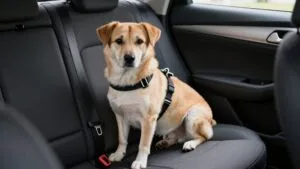
Choose a cover that stays taut and does not bunch, because movement in the cover reduces its stability benefits. Regardless of style, use the vehicle’s accessible belt buckles with a properly fitted, crash-tested harness when possible. A seat cover improves containment and comfort; it isn’t crash protection. Brake smoothly; let your dog settle.
Installing Rigid Panels Alone
Installing rigid panels yourself starts with confirming that the extender matches your rear-bench width, seatback angle, and footwell depth. Park on level ground, set the parking brake, and open the rear doors before unfolding the panels. Position the hinged section so it rests flat on the bench and extends evenly into the footwell.
Work from one side, then check that no panel edge presses against a door, console, buckle, or seat track. Attach the included anchors and tighten straps gradually, alternating sides to prevent twisting. Push downward and forward on the platform; it shouldn’t rock, bow, or leave gaps. Confirm belt buckles remain accessible and tether openings align before loading your dog. Recheck fit after a short drive, especially if panels settle under weight.
Rear-Seat Headrest Requirements
Before choosing a hammock-style cover, check that your rear-seat headrests are present, sturdy, and independently adjustable. Hammock straps use these headrests to keep the cover taut. If one is missing, fixed, loose, or integrated into the seatback, straps may slip, twist, or load the cover unevenly.
Check your manual and inspect posts before installation. Don’t attach straps to trim, child-seat anchors, or other non-headrest structures.
After fitting, pull each strap firmly; confirm the cover stays level. Verify it doesn’t obstruct belt buckles or tether access. A shifting hammock can sag, reduce containment, and unbalance your dog during braking. If rear headrests can’t provide secure attachment points, choose a hard-bottom model with compatible anchors. Seat covers aren’t crash protection; use a rated restraint or carrier.
Washable Liner Replacement Costs
A washable liner can lower long-term cleanup costs, but check its replacement price and availability before you buy a seat cover. Ask whether the manufacturer sells liners separately, lists a part number, and keeps common colors in stock. Compare liner cost with the price of professional upholstery cleaning and with a complete-cover replacement.
For hard-bottom models, confirm that removing the liner doesn’t expose rigid panels or leave slippery surfaces during use. For hammocks, verify that replacement fabric retains intact straps, anchors, and buckle hardware. Wash according to the label, dry it fully, and inspect seams after each wash; wet or damaged material can shift, leak, and reduce containment. Keep a spare if you travel often, so you never use a compromised cover on trips.
Side Airbag Compatibility
Side airbags demand careful seat-cover selection because a cover that blocks a seat-mounted airbag’s deployment path can compromise occupant protection. Before you choose either style, check your vehicle manual to identify side-airbag locations and follow the manufacturer’s accessory guidance. Hammock straps, side flaps, or oversized panels can contact seatback seams and side bolsters directly. Don’t assume universal fit means airbag compatible.
Select a model explicitly labeled compatible with your vehicle’s rear-seat airbag configuration, with breakaway seams or unobstructed deployment zones where required. Install it exactly as directed, keeping straps, anchors, and panels away from marked airbag areas. After installation, verify that buckles work and the cover doesn’t pull across seat seams. When compatibility is unclear, choose a simpler rear-bench setup or ask your dealer.
Under-Panel Crumb Accumulation
With a hard-bottom cover, check beneath the rigid panels regularly because crumbs and grit can collect along hidden edges. A hammock contains hair and mud in its suspended pocket, but you’ll need to remove and shake it out to clear seams and crevices. Keeping either design clean helps prevent odors, moisture buildup, and shifting that could affect secure footing.
Crumbs Beneath Hard Panels
Hard-bottom seat extenders protect the visible bench and footwell, but crumbs, sand, and kibble can still collect beneath their rigid panels, especially around seat creases and panel edges. Because the platform covers these areas, you may not notice buildup until you lift or reposition it. Check underneath after beach trips, snack-filled rides, or wet walks, and before reinstalling the extender.
Remove loose debris with a crevice vacuum or soft brush; then wipe the exposed seat fabric and panel underside with a manufacturer-approved cleaner. Make sure the panels lie flat and anchors remain secure: trapped grit can abrade upholstery and may prevent a proper fit. Let every surface dry fully before reassembly to limit odors and mildew. Routine checks preserve coverage and reveal shifting early promptly.
Hammock Debris Cleanup
Hammock covers catch most crumbs, sand, and loose hair in their suspended pocket, but debris can still work beneath the fabric through seat gaps, anchor points, or shifted edges. That containment simplifies cleanup: remove the cover, shake it outdoors, then vacuum the bench, seat creases, and footwell before reinstalling it. Check lower anchors and the seatback-cushion gap; fine grit can abrade upholstery and retain moisture.
After wet trips, wipe the cover and dry both sides completely to limit odor and mildew. Reattach straps tightly and confirm belt-buckle and tether access remain clear. A shifted hammock creates debris paths and may reduce your dog’s stability. If you haul sandy gear or manage heavy shedding, inspect underneath weekly rather than assuming the visible pocket contains everything.
Senior Dogs With Arthritis
For a senior dog with arthritis, choose a cover that provides a stable, cushioned surface to limit sliding and awkward weight shifts during rides. A rigid hard-bottom platform can create level footing across the bench and footwell, while a well-padded hammock may suit lighter dogs if it doesn’t sag. You’ll also want to pair the setup with a ramp or step, since safer entry and exit can reduce joint strain.
Joint Support During Rides
Senior dogs with arthritis usually benefit from a firm, level riding surface that minimizes sliding, awkward bracing, and repeated climbs out of the footwell. A hard-bottom extender can create that continuous plane, distributing your dog’s weight more evenly than a sagging suspended hammock. This may reduce the postural adjustments that can aggravate stiffness during turns, braking, and uneven roads.
Choose a model with a non-slip top, rigid support, and secure anchors matched to your vehicle. Test it while parked: it shouldn’t flex, tilt, bunch, or leave a gap at the seat edge. Add washable padding only if it stays flat; deep cushioning can make balance less predictable. A cover improves comfort, but it isn’t crash protection. Use a properly fitted vehicle restraint every trip.
Easier Entry and Exit
Because arthritis can make jumping and uneven footing painful, use a ramp or sturdy steps to help your dog reach the rear seat, then a hard-bottom extender can provide a level surface instead of a drop into the footwell. This can reduce the awkward step down that may strain sore joints when your dog turns or repositions.
A hammock may still block access to the footwell, but check whether it sags or shifts under your dog’s weight. Before each trip, secure straps, verify the platform fits flush against the seat, and inspect for gaps or loose anchors. Keep the ramp on firm, level ground, guide your dog slowly, and never pull on a collar. Ask your veterinarian first about worsening mobility signs or pain.
Stable, Cushioned Travel
Choose a hard-bottom extender with a padded, non-slip surface to give an arthritic dog a level place to stand, lie down, and turn without sliding into the footwell.
A rigid base spreads weight across the rear bench and gap, so joints don’t compensate for a sagging surface. Secure straps and anchors before every trip; a shifted cover can undermine balance and expose carpet.
- Your dog settles without bracing against the seatback.
- Thick, breathable padding cushions elbows, hips, and hocks on longer drives.
- A taut surface limits repositioning, which can reduce driver distraction.
- Keep seat-belt buckles accessible and attach a properly fitted, crash-tested harness; the extender isn’t crash protection.
Check the manufacturer’s weight limit and vehicle fit; capacity claims don’t establish crash safety by themselves.
Choose by Center-Console Clearance
Before buying either style, measure the clearance between your rear bench and center console. Note the narrowest point with the front seats set to their usual driving position. A hard-bottom extender needs enough unobstructed space to unfold flat from the bench edge into the footwell; a console that projects rearward can leave a gap, force the panel upward, or interfere with anchors. Choose the model only if its stated depth and hinge layout fit without covering seat-belt buckles or tether access.
If clearance is limited, a hammock is the adaptable option because its fabric bridges around irregular footwells. Tighten headrest straps and seat anchors so it cannot sag toward the console. Either cover improves containment, but neither replaces a crash-tested crate or fitted travel harness.
Conclusion
If your dog rides often, a hard-bottom cover is usually worth the upgrade: rigid panels create a level, stable platform that can reduce sliding during braking and better support senior dogs. You’ll need compatible rear headrests, clear center-console space, and unobstructed side airbags, and you should remove panels regularly to clean trapped crumbs. Choose a hammock when you need simple installation or your dog travels lightly; choose rigid support when stability and comfort matter most.