Dog Car Sickness Symptoms: Early Signs to Catch Before Your Dog Vomits
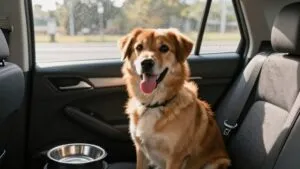
You can often catch car sickness before your dog vomits. Watch for repeated lip licking, frequent swallowing, drooling, yawning, panting in a cool car, trembling, whining, or difficulty settling.
These signs may reflect nausea, stress, or both, and puppies can be especially susceptible.
Stop safely if symptoms intensify, keep rides brief and secure, and track when signs start. Contact your veterinarian for retching, vomiting, weakness, or recurring episodes; next steps help you plan calmer trips.
Watch for Lip Licking
Lip licking is often one of the earliest visible signs that your dog feels nauseated or stressed in the car. Notice whether your dog repeatedly flicks their tongue over the lips, especially before the vehicle moves or during turns. This behavior can reflect motion-related nausea, but it may also signal anxiety from unfamiliar sounds, confinement, or previous unpleasant trips. Watch for patterns rather than judging one lick alone.
Record when it starts, what happens immediately beforehand, and whether it improves after a break. You can respond early by keeping rides short, securing your dog comfortably, and pairing calm car time with positive experiences. If lip licking recurs or progresses to retching, vomiting, travel refusal, or lethargy, contact your veterinarian. They’ll assess possible causes promptly.
Excess Drooling Signals Nausea
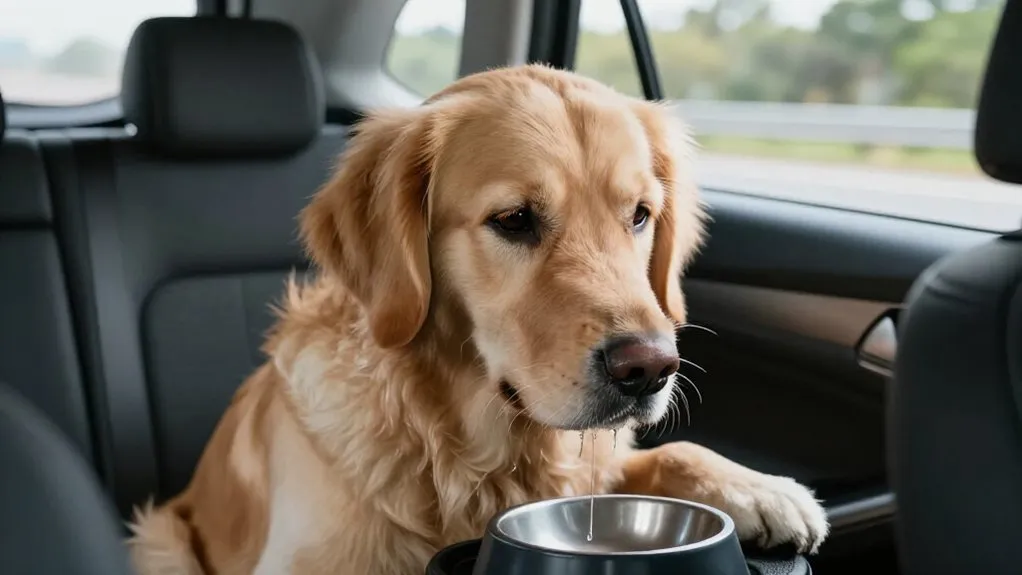
Excess drooling, visible saliva strands, a wet chin, or repeated swallowing—often signals that your dog is becoming nauseated in the car. Motion can create a mismatch between inner-ear and visual signals, activating autonomic pathways that increase salivation. Drooling may begin within minutes of driving and can precede panting, restlessness, retching, or vomiting. Heavier, continuous drooling generally suggests more intense nausea and a greater likelihood of vomiting.
If you notice this change, treat it as an early warning rather than a reason to panic. Safely pause the trip when possible, let your dog settle, and note when symptoms began and how long they lasted. Repeated episodes warrant veterinary advice, especially with vomiting or lethargy. Drooling may reflect dental pain, heat, toxins, or anxiety, too.
Repeated Yawning at Stoplights
Repeated yawning while your car is stopped can be an early sign of nausea, stress, or both, particularly when it occurs with lip-licking, panting, drooling, or restlessness. A single yawn may simply reflect fatigue, but several slow, wide yawns during pauses merit attention. Motion sickness can activate nausea pathways even when the vehicle is still, and a stoplight makes the pattern easier to see.
| What you see | What it may suggest |
|---|---|
| One long yawn | Brief tension or tiredness |
| Several yawns with lip-licking | Developing nausea |
| Yawning plus heavy drool | Higher vomiting risk |
If yawning repeats on trips or progresses to retching, contact your veterinarian promptly. You’ll help your veterinarian identify patterns and discuss prevention before your next drive. Persistent vomiting or dehydration needs veterinary assessment.
Restlessness and Whining
If your dog paces, repeatedly changes position, or can’t settle during a ride, it may signal early nausea or travel-related stress. Whining during travel can accompany this discomfort, particularly when it occurs with panting, lip-licking, or drooling. Note when these behaviors begin, as early recognition helps you adjust travel plans and discuss persistent symptoms with your veterinarian.
Pacing And Position Changes
Restlessness in the car can be an early sign that your dog feels nauseated or anxious. You may see them stand, turn repeatedly, circle, shift from sitting to lying down, or struggle to settle. These changes can occur before drooling or vomiting and may reflect motion discomfort, unstable footing, or learned travel stress.
| What you notice | What it may indicate | What you can do |
|---|---|---|
| Repeated standing | Early nausea | Stop when safe |
| Circling or repositioning | Difficulty settling | Check restraint fit |
| Bracing against turns | Motion sensitivity | Provide secure bedding |
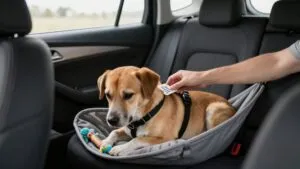
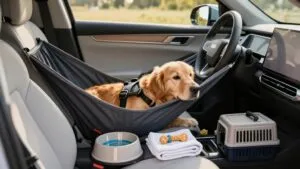
Use a properly fitted restraint or travel crate to limit sliding, keep rides brief, and note when signs begin. If pacing recurs or progresses to drooling, retching, or vomiting, contact your veterinarian; treatment and conditioning can help.
Whining During Travel
Whining during travel can signal early nausea, anxiety, or difficulty settling in response to vehicle motion. If your dog vocalizes more than usual after the car starts moving, note when it begins and whether it occurs alongside lip-licking, yawning, panting, trembling, or drooling. These signs can reflect motion-related nausea, but whining may also arise from fear, unfamiliar sounds, or prior unpleasant rides.
Speak calmly, keep your dog securely restrained, and maintain a cool, well-ventilated vehicle. Don’t punish vocalization; it can increase stress and make future trips harder. For recurring episodes, record the route, timing, meals, and accompanying symptoms. Share this information with your veterinarian, especially if whining progresses to retching, vomiting, weakness, or repeated avoidance of the car. Your veterinarian can assess likely causes.
Difficulty Settling Down
Difficulty settling in the car, pacing, circling, shifting position, or persistent whining—can be an early sign of motion-related nausea, anxiety, or both. You may also notice panting, lip-licking, drooling, or trembling before vomiting. These signs can overlap, so observe patterns rather than assuming defiance.
| What you see | What to do |
|---|---|
| Repositioning or circling | Secure your dog safely |
| Whining or panting | Stop and offer calm break |
| Lip-licking or drooling | Shorten the session |
| Refused treats | Contact your veterinarian |
Use a secure restraint and take short, calm practice rides. If signs intensify or vomiting begins, stop travel when safe and call your veterinarian; they can assess nausea, anxiety, and appropriate treatment. Keep a symptom log, including timing, food intake, and recovery after each trip. This guides next steps.
Puppies Get Carsick More Often
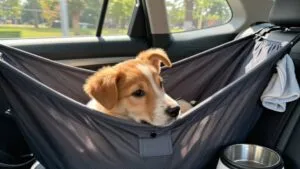
Your puppy may get carsick more often because their balance system is still developing and may not yet handle vehicle motion well. Early rides can also shape how your puppy responds to the car, especially if nausea or fear occurs. Many puppies improve as they mature, particularly when you introduce calm, gradual travel experiences.
Developing Balance Systems
Puppies get carsick more often because their vestibular system, the inner-ear network that helps control balance and spatial orientation, is still developing. When the car accelerates, turns, or stops, your puppy’s brain must reconcile motion signals from the inner ear, eyes, and body. Immature processing can create a mismatch that triggers nausea, even on short rides.
You may notice drooling, repeated lip-licking, yawning, panting, trembling, or difficulty settling before vomiting occurs. These signs don’t mean your puppy is weak or permanently motion-sensitive; many dogs improve as their balance pathways mature. Keep a record of your puppy’s age, symptoms, and when they begin during a trip. If vomiting is frequent, severe, or accompanied by lethargy, diarrhea, or pale gums, contact your veterinarian to rule out illness and discuss treatment.
Early Travel Experiences
Early travel experiences can shape how a puppy responds to car rides, especially if nausea, vomiting, or stressful veterinary visits occur early on. Puppies may connect the vehicle, its motion, and the destination with feeling unwell, so signs can begin before you start driving. Watch for panting in a cool car, lip-licking, drooling, yawning, trembling, refusal of treats, or difficulty settling.
Whining, cowering, or resisting entry may reflect both nausea and learned worry. These reactions aren’t disobedience; they indicate distress that deserves attention. Keep a simple record of when signs begin, whether they occur before movement, and what follows. Share recurring episodes with your veterinarian, particularly if your puppy vomits, has diarrhea, seems lethargic, or shows dehydration. Observation helps distinguish travel-related symptoms from illness.
When Puppies Outgrow It
Many dogs improve as they mature because the inner-ear balance system involved in motion sensitivity becomes more developed. Your puppy’s carsickness may as a result lessen over months, especially when you pair maturation with brief rides.
| What you notice | What to do |
|---|---|
| Panting or lip-licking | End the session early. |
| Drooling or trembling | Return to a shorter route. |
| Retching or vomiting | Call your veterinarian. |
| Fear of the car | Use gradual, reward-based practice. |
Improvement isn’t guaranteed: some dogs retain vestibular sensitivity or develop travel anxiety after repeated nausea. Track symptoms, ride length, meals, and recovery. Don’t assume persistent vomiting is normal puppyhood; your veterinarian can exclude illness and recommend supervised treatment. You can help by securing your puppy, keeping trips predictable, and increasing distance while they remain comfortable.
Track Symptoms During Five-Minute Drives
During each five-minute drive, note when symptoms begin and whether your dog pants, lip-licks, drools, trembles, vocalizes, refuses treats, retches, or vomits. Record the minute symptoms first appear, their severity, and what was happening: parked, moving, turning, or stopping. Also note meal timing, treat acceptance, and your dog’s position in the vehicle. A simple log across several comparable drives can reveal a consistent pattern and show whether signs escalate.
If mild signs start, pause the session and let your dog recover calmly. Don’t extend the drive to test whether vomiting occurs. Share your record with your veterinarian, especially if vomiting repeats or your dog seems lethargic, dehydrated, or unwell afterward. This data helps you and your veterinarian choose safer next steps for travel.
Ear Infections Mimic Motion Sickness
A symptom log can also help identify problems that aren’t caused by the car itself. Inner- or middle-ear disease can disrupt your dog’s vestibular system, which controls balance and spatial orientation. During rides, that disruption may look like motion sickness: drooling, panting, uneasiness, head turning, or reluctance to travel.
Note whether signs also occur at home, during walks, or when your car is parked. Ear-specific clues include head shaking, scratching, a head tilt, loss of balance, eye movements, ear odor, redness, pain, or discharge. These signs warrant a veterinary examination rather than repeated travel training. Your veterinarian can inspect the ear canal and assess neurologic function, then treat infection or inflammation if present. Prompt care prevents an ear problem being mistaken for car-related nausea.
Assuming Vomiting Is Required
Vomiting isn’t required for your dog to have car sickness. Nausea can appear well before retching, and some dogs never vomit despite significant discomfort. Motion-related signals from the inner ear can trigger autonomic and behavioral changes, so you shouldn’t wait for emesis to take the signs seriously.
Watch for:
- Excessive drooling, repeated lip-licking, or frequent swallowing.
- Panting or rapid, shallow breathing when your dog isn’t hot or active.
- Yawning, trembling, restlessness, whining, or inability to settle.
- Refusing treats, cowering near the car, or resisting entry.
These observations help distinguish a pattern of travel-related nausea from ordinary excitement or warmth. Track when these signs begin—before departure, during turns, or after several minutes—and whether they ease once the car stops. Early recognition lets you shorten exposure and avoid reinforcing a fearful association with travel.
Schedule a Pre-Trip Vet Visit
Schedule a veterinary visit before a long trip if your dog has vomited in the car, shows escalating nausea or fear, or has symptoms beyond travel. Bring a brief log of each episode: when signs began, feeding times, ride length, drooling, panting, lip-licking, retching, stool changes, and vomiting. Your veterinarian can assess whether motion sickness, anxiety, gastrointestinal disease, pain, or an inner-ear problem may contribute.
They can also check hydration and gums, review current medicines, and recommend a travel plan. Ask whether a prescribed antiemetic or anxiety medication is appropriate, and test it at home first. Don’t give human medicines unless your veterinarian directs you. Keep the trip plan flexible; stop for worsening signs and seek prompt care for lethargy, repeated vomiting, diarrhea, or dehydration.
Conclusion
By noticing lip licking, drooling, yawning, restlessness, or whining early, you can respond before nausea progresses to vomiting. Puppies may show signs more often, so brief, five-minute practice drives help you identify patterns. Because ear disease and other conditions can resemble motion sickness, don’t rely on vomiting as the only clue. Record what you observe and arrange a pre-trip veterinary visit. Your vet can confirm the cause and recommend safe, effective prevention strategies for you.