How to Find Truly Pet-Friendly Hotels on a Road Trip (and Avoid Hidden Fees)
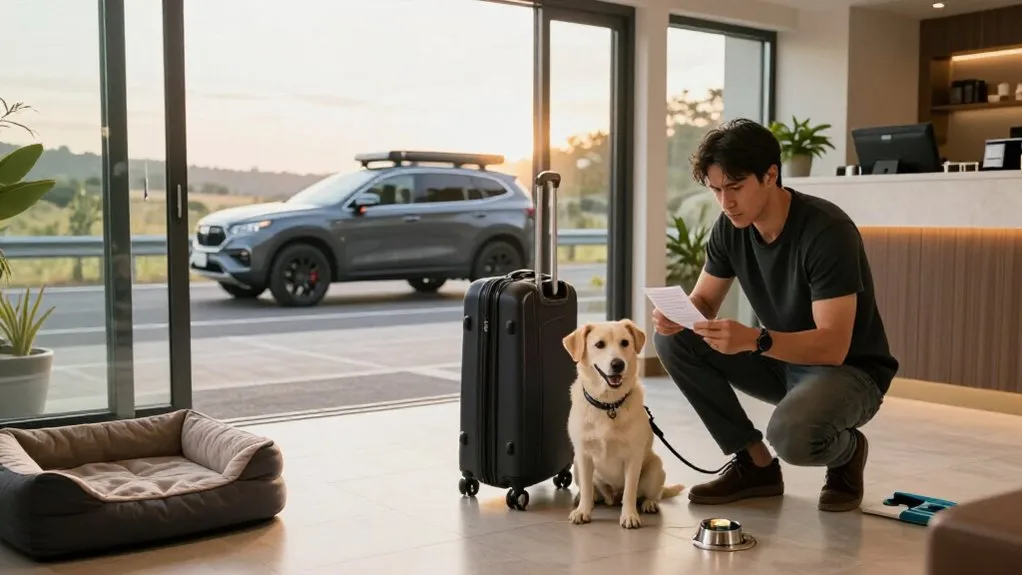
Find candidates on pet directories, then verify property policies on hotel sites and OTA listings.
Before booking, call front desk and confirm pet fees, taxes, refundable deposits, per-night versus per-stay charges, pet-count rules, weight limits, breed restrictions, and unattended-pet rules; ask staff to note dog details.
Map relief stops every two to three hours with onsite grass.
Screenshot policies, book a pet-designated room, and save your checkout folio.
Next, you’ll learn arrival, barking, and paw-care steps.
Verify Pet Fees Upfront
Pet fees can change the real cost of a road-trip stop, so verify them before you book. Search pet-focused directories and verified aggregators, then cross-check the hotel’s own page and an online travel agency listing. Look beyond the advertised room rate for mandatory fees, optional extras, and taxes tied to your animal.
Ask whether the charge is per night or per stay, and whether check-in requires a refundable damage deposit. Calculate the entire stop: room rate, taxes, pet charge, and deposit hold. For a multi-night stay, a flat fee may cost less than a nightly charge. Call the property, confirm the total in writing, and save the confirmation with your reservation. Ask about relief areas and cleanup supplies too, so your pet settles comfortably.
Check Weight and Breed Limits
A “pet-friendly” label doesn’t guarantee your dog qualifies, so check the property’s weight cap and breed rules before you reserve. Policies vary by location, even within one chain, and a surprise can mean denied check-in or a costly rebooking.
- Ask whether the limit applies to each dog or their combined weight.
- Request the current restricted-breed list, including rules for mixes.
- Give your dog’s accurate weight and breed description.
- Confirm any exception in an email or reservation note.
- Recheck the policy after switching locations or dates.
Aloft locations often use roughly a 40-pound ceiling, while some Kimptons advertise no size restriction; neither claim replaces property-level confirmation.
If your dog approaches a cutoff, choose a clearly suitable hotel rather than hoping staff will overlook it.
Step 1: Map Pet Relief Stops
Map relief stops before each driving day so your dog can stretch, drink, and eliminate without a rushed roadside search. Pin dog-friendly rest areas, public parks, travel plazas, and fuel stops with grassy edges along your route. Plan breaks every two to three hours, adjusting for your dog’s age, size, weather, and normal routine. Check satellite views and recent reviews for shade, safe walking space, lighting, and reliable waste bins.
Before booking, confirm whether each hotel has an onsite relief area or nearby green space. Schedule a final potty break before check-in and another immediately after arrival. Keep water, a collapsible bowl, leash, bags, towel, and treats accessible, not buried in luggage. Save two backup stops per driving segment for closures, crowds, or weather.
Step 2: Save Pet Policy Screenshots
Before you book, screenshot the property’s full pet-policy page, including fees, deposits, weight or breed limits, pet-count limits, and unattended-pet rules. Capture the booking page’s mandatory-fee section too, especially whether the charge is nightly or per stay and whether a deposit is refundable. Save images in a trip folder labeled with the hotel, date, and confirmation number. Include policy text about crates, leashes, relief areas, cleaning charges, and damage liability.
Screenshots give you a time-stamped record if the listing changes or check-in staff quote different terms. Keep an image of the price breakdown alongside the pet-policy images, so you can compare each stop’s cost. Download copies before you lose signal and keep them on your phone. They’ll help you pack a crate and budget accurately.
Step 3: Call the Front Desk Directly
Call the hotel’s front desk directly after you’ve narrowed your options, because online listings can omit property-specific rules or show outdated fees. Ask whether the quoted pet charge is nightly or per stay, whether taxes apply, and whether a refundable deposit or cleaning fee is collected at check-in. Confirm your pet’s number, weight, breed, and species meet the property’s limits.
Then clarify its rules for leaving a pet alone, crating, leashes, barking, elevators, and indoor common areas. Ask where the nearest relief area is and whether it’s lighted at night. Get the employee’s name and request an emailed summary of every charge and exception. Keep it with your policy screenshots so you can resolve any disagreement calmly before you unload your pet and luggage.
Step 4: Reserve a Pet-Designated Room
Once the front desk confirms the policy, reserve a pet-designated room rather than assuming any standard room will work. Ask the agent to add each pet’s species, breed, size, and number to the reservation, not merely as a verbal note. Pet-friendly inventory can be limited, especially at roadside properties with specific ground-floor rooms or exterior entrances.
Request the exact room category and confirm the rate includes the stated pet charge, deposit, and taxes. If you book online, call back with the confirmation number and ask the hotel to attach pet approval to its system. Save the agent’s name, time, and written confirmation. This step prevents an arrival switch to a non-pet room or an unexpected fee when the hotel is busy at check-in.
Step 5: Confirm In-Room Pet Rules
What happens if you need to leave your pet in the room, order housekeeping, or step into a shared hallway? Ask the front desk before booking, because “pet-friendly” doesn’t always mean pets have full in-room access. Confirm whether your pet may stay alone, whether crating is required, and whether staff need a phone number if barking occurs. Ask how housekeeping works: must you be present, post a pet-alert sign, or decline service? Verify leash rules in corridors, elevators, lobbies, and entrances, plus designated routes. Check limits on pets, weight, or furniture access, and ask whether a cleaning or damage charge applies after an accident. Get unusual permissions in your reservation notes or email. Pack the crate, leash, and sign needed to follow the property’s rules.
Step 6: Check Under Beds for Toys
Before you settle in or check out, sweep under the bed, behind nightstands, and around furniture for dropped toys, treats, or chews. Look for anything that could tempt your pet: a squeaker, rawhide scrap, pill, wrapper, or crumbs from a previous guest. Use your phone flashlight and move slowly; don’t reach blindly where sharp debris may hide.
At arrival, this quick inspection protects a curious dog or cat from choking, stomach upset, or an avoidable vet stop on your road trip. At departure, repeat the sweep before loading up. Check beneath pet beds and inside blanket folds too. Collect every item, including small treats lodged near a wall. This courteous habit prevents your pet from leaving a favorite behind and helps housekeeping clean.
Photograph the Zero-Balance Folio
At checkout, photograph your itemized folio after the balance shows $0, making sure the image captures the hotel name, date, room number, pet fee, taxes, and any deposit refund or release. Before you leave, compare each charge with your booking confirmation and check-in receipt. A separate “pet” or “mandatory” line can reveal a duplicate nightly charge, an unreleased hold, or tax applied incorrectly.
Save the photo in your trip folder alongside emails showing quoted fees and any approved waiver. If the folio lists an unexplained amount, ask the desk to correct it before departure and issue an updated zero-balance copy. Check that the deposit appears as refunded or released, not merely omitted. This record helps you dispute charges while tracking your road-trip pet costs.
Resolve a Barking Complaint
If the front desk reports barking, return to your room promptly, apologize, and ask for the time and circumstances of the complaint so you can identify the trigger. Check whether hallway noise, a door slam, unfamiliar voices, or separation set your dog off. Quietly settle them with a short potty break, water, and a familiar mat.
| Likely trigger | Your immediate response |
|---|---|
| Hallway sounds | Move them from door; use white noise |
| Alone anxiety | Stay briefly; arrange supervision |
Tell the front desk what you changed and give them your mobile number. Don’t argue or minimize the disruption; a cooperative response protects your stay and your dog’s comfort. If barking continues, ask whether a quieter room is available, then remain with your pet until they settle fully.
Check Paws for Road Salt
Road salt, de-icing chemicals, and slush can lodge between your dog’s toes after even a short walk from the car to the hotel. Before entering the lobby, inspect each paw. Gently spread the toes, check pads and fur for crystals, and remove clumps with a damp towel or pet-safe wipes. At your room, rinse paws with lukewarm water, then dry, especially between toes.
Don’t let your dog lick residue: salt and de-icers can irritate skin and upset the stomach. Pack a paw-cleaning kit in the car: towels, wipes, bottled water, booties, and paw balm. Ask the front desk where snow-melt chemicals are used and choose untreated grass or a relief area when possible. If you notice limping, redness, or persistent licking, contact a veterinarian.
Conclusion
Finding a genuinely pet-friendly hotel takes a few extra minutes, but it protects your budget, your schedule, and your pet’s comfort. You’ll travel with fewer surprises when you confirm fees and restrictions, plan relief breaks, and keep policy records.
At check-in and checkout, inspect the room, document charges, and address issues promptly. On the road, watch your pet’s paws and stress signals. These habits help you choose welcoming stays and enjoy a smoother trip together.