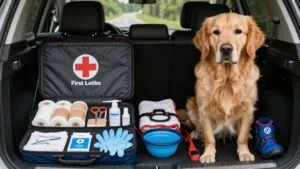
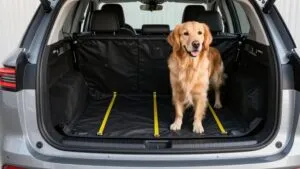
How Often Should You Stop on a Road Trip With a Dog? A Stop Schedule by Age
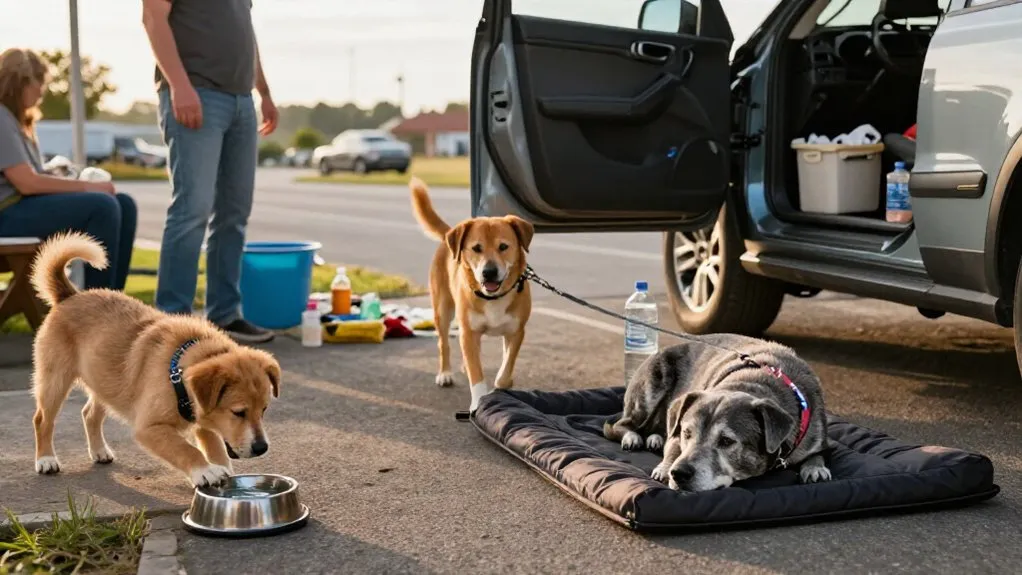
Plan stops by your dog’s age and condition: take puppies under six months out every 30 to 60 minutes, most healthy adults every two to three hours, and seniors every one to two hours.
Offer small drinks, toileting, and gentle movement at each break. During heat, stop at least hourly, and never leave your dog parked.
If panting, drooling, vomiting, weakness, or urgency appears, stop sooner and seek veterinary advice. More tips help tailor your stops safely.
Age-Based Breaks for Car-Traveling Dogs
A dog’s age is the best starting point for planning road-trip breaks because bladder control, energy, mobility, and stress tolerance change throughout life. For puppies under six months, stop every 30 to 60 minutes; frequent potty and water breaks support comfort and training.
Near six to eight months, some puppies may manage two to three hours.
For adolescents and adults, plan stops every two to three hours. Offer water, a potty break, and a 15 to 30-minute walk or sniff session; add a longer exercise break for energetic dogs.
For seniors, stop every one to two hours, let them move slowly, and watch for stiffness, pain, confusion, or incontinence. If your dog is anxious, motion-sick, or vulnerable, you’ll shorten intervals to 30 to 90 minutes and follow your veterinarian’s specific advice.
Secure a Crash-Tested Harness
Beyond planning frequent breaks, protect your dog during every driving segment with a properly fitted, crash-tested harness. Unlike an unverified “car harness,” a tested model has undergone dynamic vehicle or sled testing under stated conditions. Choose one with published protocol, weight limits, and a vehicle-compatible seat-belt tether. Puppies may outgrow gear quickly, while seniors and dogs with mobility issues need close attention to comfort and breathing.
- Measure chest and neck, then follow the maker’s fitting directions.
- Buckle your dog into the back seat; airbags make front-seat travel risky.
- Attach the tether to the harness, never the collar, and keep it short enough to limit momentum.
- Before each trip, inspect webbing, stitching, and metal hardware; replace the harness immediately after a crash or when damaged.
Water at Every Stop
Offer fresh water at every road-trip stop, even when your dog doesn’t seem thirsty. Travel, warm cabins, panting, and excitement can raise fluid needs before obvious dehydration appears. Carry clean water and a collapsible bowl; offer small, calm drinks rather than encouraging gulping, which may worsen nausea. Refresh water often, keep it cool, and seek veterinary advice if vomiting, marked lethargy, dry gums, or persistent drooling occurs.
| Dog’s stage | Water approach |
|---|---|
| Puppy | Offer frequent small sips; monitor closely. |
| Adult | Offer water at each 2 to 3-hour break. |
| Senior or special-needs dog | Offer small amounts every stop; follow veterinary guidance. |
Hot weather, long-coated breeds, medication, and anxiety justify shorter driving intervals and extra water opportunities. Don’t force drinking: note your dog’s behavior carefully, then adjust stops early.
Leash Before Opening the Door
Before you open the car door, clip on your dog’s leash and keep a firm hold to prevent a sudden escape into traffic or unfamiliar surroundings. Check for passing vehicles, loose dogs, hot pavement, and other hazards, then open the door only enough to guide a calm exit. Puppies, anxious dogs, and seniors may need extra time and close control, so don’t rush them.
Secure Leash First
For puppies, use a lightweight harness and reinforce calm handling. Adolescents may need a sturdier leash and a secure two-handed grip because excitement can increase pulling.
For seniors or dogs with pain, choose a padded harness and allow extra time to stand and turn comfortably. Park in a low-traffic spot, then hold the leash at a short, comfortable working length while unloading.
Prevent Sudden Escapes
Even a well-trained dog can bolt after hours in the car, so clip the leash to a properly fitted harness before you open any vehicle door. Roadside noise, unfamiliar smells, wildlife, and pent-up energy can override recall, especially at busy rest areas. Use a sturdy, nonretractable leash and check the harness fit before departure and at stops; it should allow normal breathing without slipping over the head.
Puppies may panic or chase, while adolescents often react quickly to movement. Seniors and dogs with vision, hearing, pain, or anxiety issues can become disoriented and need a calm, secure connection before exiting. Keep identification tags current and confirm the leash clip is fully closed. This simple routine gives you immediate control and limits exposure to traffic overall.
Use Proper Door Control
Because a dog may lunge out the moment a door opens, attach the leash to a secure, well-fitted harness while all doors remain closed. Keep a firm hold on the leash, request a sit, and open one exit only after your dog is connected. Don’t rely on a collar alone: a fitted harness distributes force more safely if your dog surges.
For puppies, rehearse this sequence at every stop; consistent cues build impulse control. Adolescents may need extra patience because excitement and strength can outpace training. Keep the same routine with dependable adults. For seniors or dogs with pain, anxiety, or mobility limits, move slowly and avoid tugging. If your dog pulls, close the door, reset calmly, and try again before opening it again.
Check Surrounding Hazards
Before you open the door, scan the area for traffic, other dogs, broken glass, wildlife, extreme heat, and any escape route your dog could exploit. Clip the leash to a secure harness before you unlatch or open anything; a collar alone may not protect a dog who pulls backward or twists free. Check pavement temperature with your hand, choose shade when possible, and avoid fuel islands, parking-lot lanes, and busy rest-area entrances.
Puppies can dart through narrow gaps; adolescents may react quickly to dogs or wildlife. Seniors and dogs with mobility, vision, or medical issues need level footing and extra space around the vehicle. If conditions aren’t safe, stay parked and wait briefly for a clear, safer opening before stopping elsewhere along your route.
Practice Calm Exits
Once you’ve confirmed the stop is safe, attach your dog’s leash to a well-fitted harness while the door is still closed, then wait for a calm pause before opening it. This simple routine prevents bolting into traffic, chasing wildlife, or tangling around people.
For puppies, reward four paws on the floor and a brief sit; repetition builds safe travel habits. Adolescents may need a shorter leash and an extra second to settle their energy. With adults, keep the same cue sequence at every stop, even when they’re reliable.
Seniors and dogs with pain, anxiety, or nausea may need more time and low-step assistance. Hold the leash securely, exit first when space allows, and guide your dog directly to the potty area. Praise calm choices.
Heatwave Stop Frequency
During a heatwave, shorten driving stretches and plan shaded, air-conditioned cooling breaks about every hour, especially for puppies, seniors, and dogs with medical needs. Offer small amounts of cool water, keep walks brief, and never leave your dog in a parked car. Stop immediately and cool your dog if you see heavy panting, excessive drooling, weakness, vomiting, confusion, or bright-red gums.
Shorter Stops in Extreme Heat
In a heatwave, shorten driving stretches and offer most dogs a shaded, climate-safe break at least every 1 to 2 hours, rather than relying on the usual 2–3-hour schedule. Puppies, seniors, flat-faced breeds, overweight dogs, and dogs with heart, airway, or mobility conditions may need still shorter intervals based on their veterinarian’s advice and current signs.
Plan stops before your dog appears distressed: persistent heavy panting, drooling, weakness, bright-red or pale gums, vomiting, or unsteady movement call for an immediate stop and veterinary guidance. Keep each pause purposeful: potty, brief gentle movement if pavement is safe, and a check of breathing and alertness. Use grass or another cooler surface; hot asphalt can burn paw pads. Never leave your dog alone in a parked vehicle.
Cooling Breaks Every Hour
Why plan cooling breaks every hour in a heatwave? Heat raises your dog’s cooling load even in an air-conditioned car, and a parked vehicle can heat rapidly. Plan a shaded, climate-controlled, or indoor break at least every 60 minutes; stop sooner if cabin cooling is unreliable or conditions worsen. Offer small amounts of cool water, let your dog toilet, and keep activity gentle on heat-safe ground.
Never leave your dog alone in the car while you run errands. Puppies, seniors, brachycephalic breeds, large-coated dogs, and dogs with medical needs may need cooler travel hours and more frequent breaks. Use early departures, shade, reflective window covers, and working air-conditioning. Make each stop long enough for cooling and rehydration before you resume driving during peak heat.
Heat Stress Warning Signs
How can you tell your dog needs a cooling stop sooner? Watch for heavy or rapid panting, thick drool, bright-red or pale gums, weakness, wobbling, vomiting, confusion, or unwillingness to move. These can signal overheating, not ordinary travel restlessness.
Pull over promptly in safe shade or air-conditioning, offer small drinks of cool water, and wet the coat with cool, not ice-cold, water. Don’t force exercise or leave your dog in the vehicle. If signs persist, worsen, or include collapse or seizures, seek emergency veterinary care immediately.
During heatwaves, shorten driving stretches beyond your normal age-based schedule: puppies, seniors, flat-faced breeds, overweight dogs, and dogs with heart or breathing conditions need frequent checks. Stop at least hourly and earlier whenever panting doesn’t settle quickly in cool air.
Dog Settles Quickly After Stops
A dog that settles quickly after a stop can usually continue on the age-appropriate schedule: about every 2 to 3 hours for healthy adults, more often for puppies, seniors, and dogs with medical or anxiety needs. Settling means your dog toilets, drinks, moves comfortably, and returns to its secured spot without pacing, whining, drooling, or repeated exit requests.
Don’t let calm behavior stretch this schedule beyond age and health limits. Young puppies need 30 to 90-minute breaks for bladder control and calm training. Older puppies and adolescents may manage longer intervals, but activity matters. Seniors need 1 to 2-hour stops for stiffness, incontinence, or medication needs. Secure your dog before driving, offer small drinks, and reassess at every stop. A blanket and predictable routine can help your dog settle safely.
Excessive Panting Between Stops
Excessive panting between planned stops can signal heat stress, anxiety, motion sickness, pain, or an urgent need to urinate, so don’t wait for the next scheduled break. Pull over safely, cool your dog with shade or air conditioning, and offer small amounts of water. Check for drooling, vomiting, weakness, disorientation, limping, a swollen abdomen, or trouble breathing. Never leave your dog in a parked car.
Young puppies may pant when overstimulated and need frequent breaks. Seniors may pant from stiffness, pain, or illness and need gentler frequent stops. Shorten driving intervals after an episode. If panting persists at rest, worsens, or comes with collapse, pale or bluish gums, repeated vomiting, or distress, seek veterinary care. Call your veterinarian if motion sickness or anxiety recurs.
Using Retractable Leashes at Stops
Once your dog has settled after a break, choose restraint that prevents sudden escapes and roadside hazards. Retractable leashes offer sniffing room, yet their thin cords and long range reduce control near vehicles, strangers, and other dogs. Use one only in a quiet, open space after testing the lock, clip, and handle. Around parking lots and fuel pumps, select a fixed four to six-foot leash instead.
- Keep puppies close; they may bolt, chew the cord, or become overwhelmed.
- Lock it short for excitable adolescents; momentum can injure you or them.
- Give calm adults slack only when the area stays clear.
- Choose a fixed leash for seniors or medically vulnerable dogs; pulling can strain joints and upset balance.
Use a fitted harness; hold the handle, not cord.
Log Bathroom Break Times
Log each bathroom break, time, urination or stool, water intake, and any changes in behavior, to spot patterns before they become travel problems. Use a phone note or paper chart, recording stop intervals, accidents, straining, diarrhea, vomiting, panting, or refusal to drink. Your log helps you tailor the schedule: young puppies may need stops every 30 to 60 minutes, while healthy adults often manage 2 to 3 hours.
Schedule seniors and dogs with anxiety, incontinence, or illness every 30 to 90 minutes, or sooner when signs appear. Note meals and medications too, since both can affect elimination and nausea. A sudden increase in urination, repeated straining, bloody stool, marked lethargy, or persistent vomiting warrants a safe stop and prompt veterinary advice. Never delay a needed break to meet your itinerary. Review logs.
Conclusion
Plan your road-trip stops around your dog’s age, health, weather, and behavior, not a rigid clock. Puppies and seniors usually need frequent breaks, while adult dogs may travel longer between stops. At every stop, leash your dog before opening the door, offer water, and check for heat stress or discomfort. Use a crash-tested harness while driving, avoid retractable leashes in busy areas, and log break times. If your dog pants excessively or can’t settle, stop sooner.
Road Trip Stop & Water Planner
Turn your drive time and your vet-advised stop interval into a stop schedule, a total water amount and a bottle count. Arithmetic only.
Airline In-Cabin Dog Size & Carrier Eligibility Checker
Check your dog carrier against Delta, American, Southwest or JetBlue published in-cabin size limits and see if a cargo option exists.